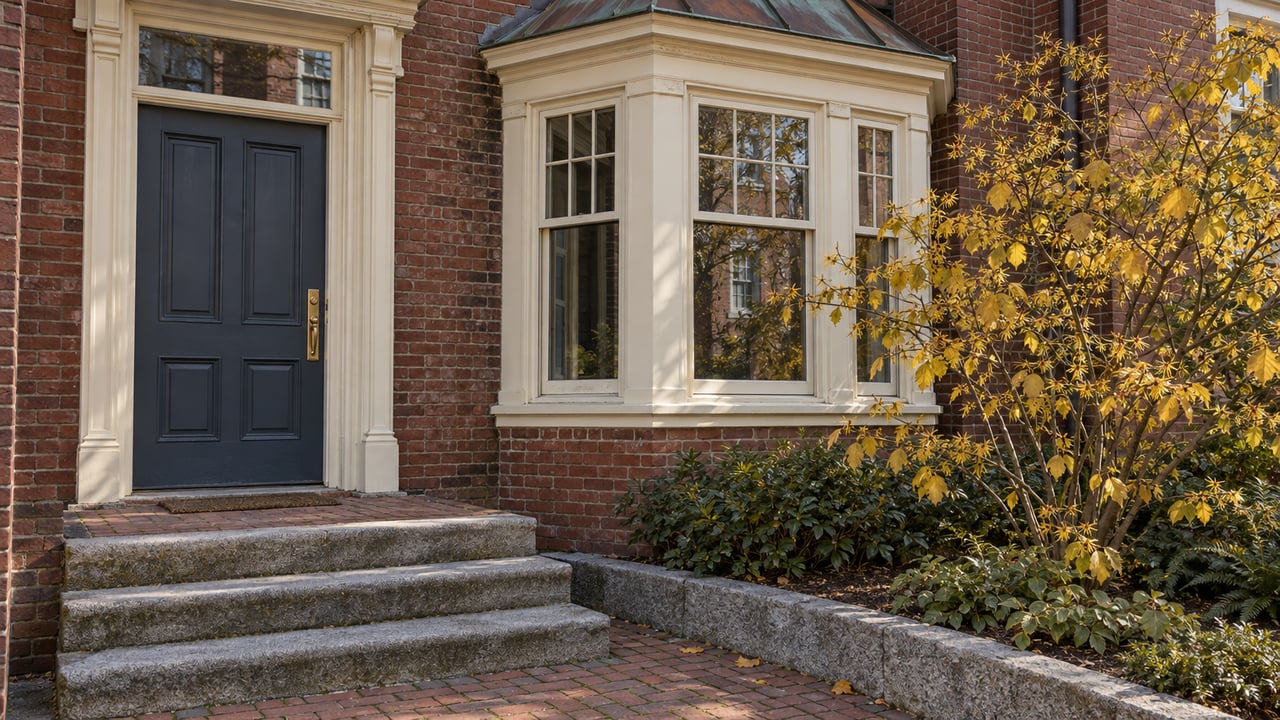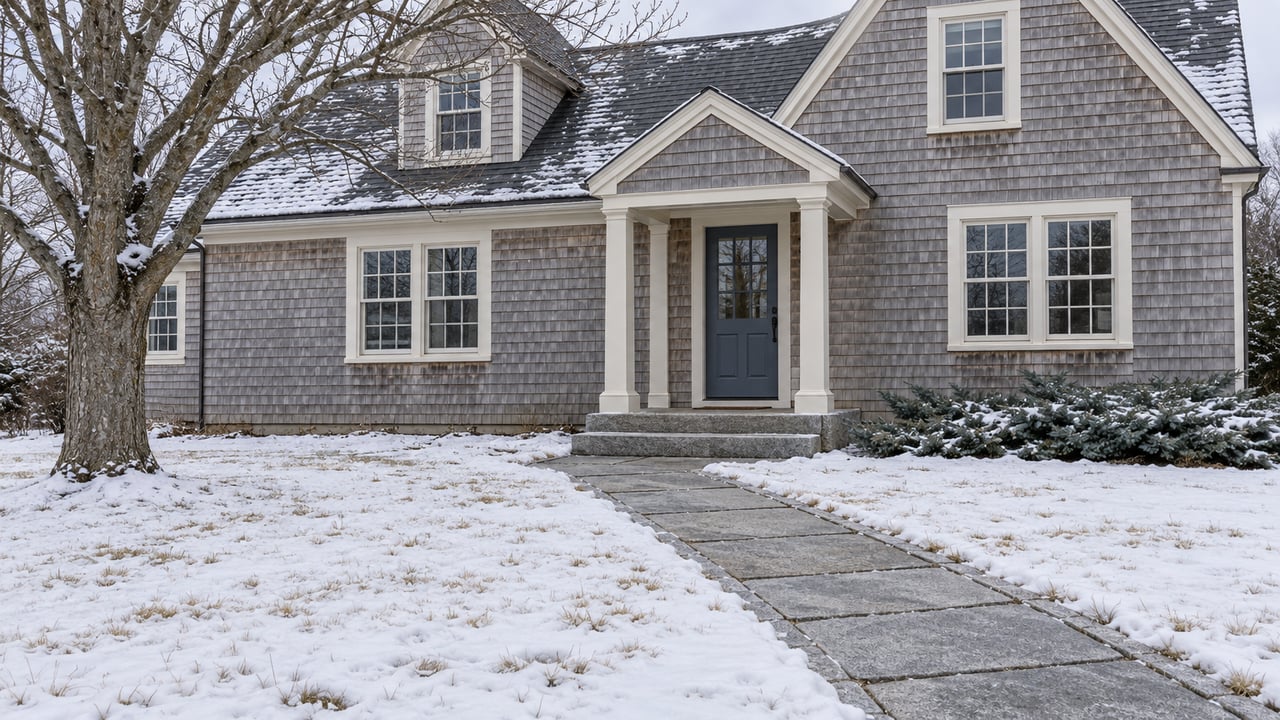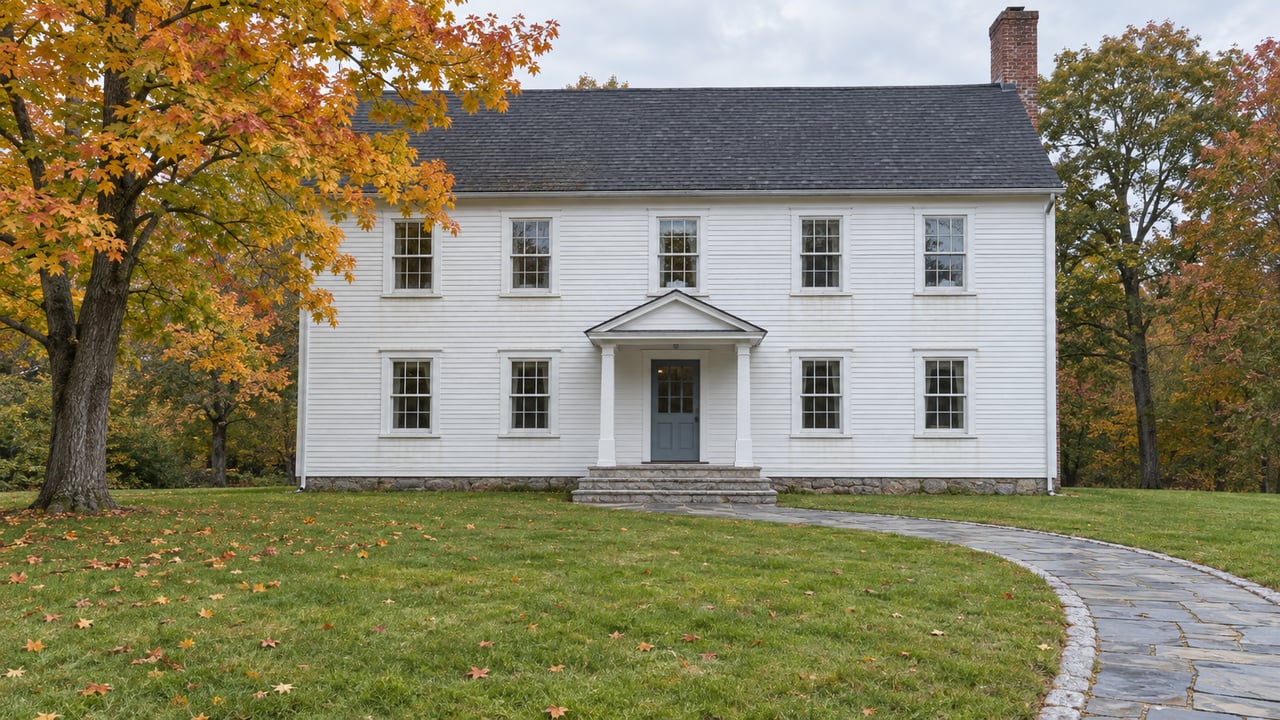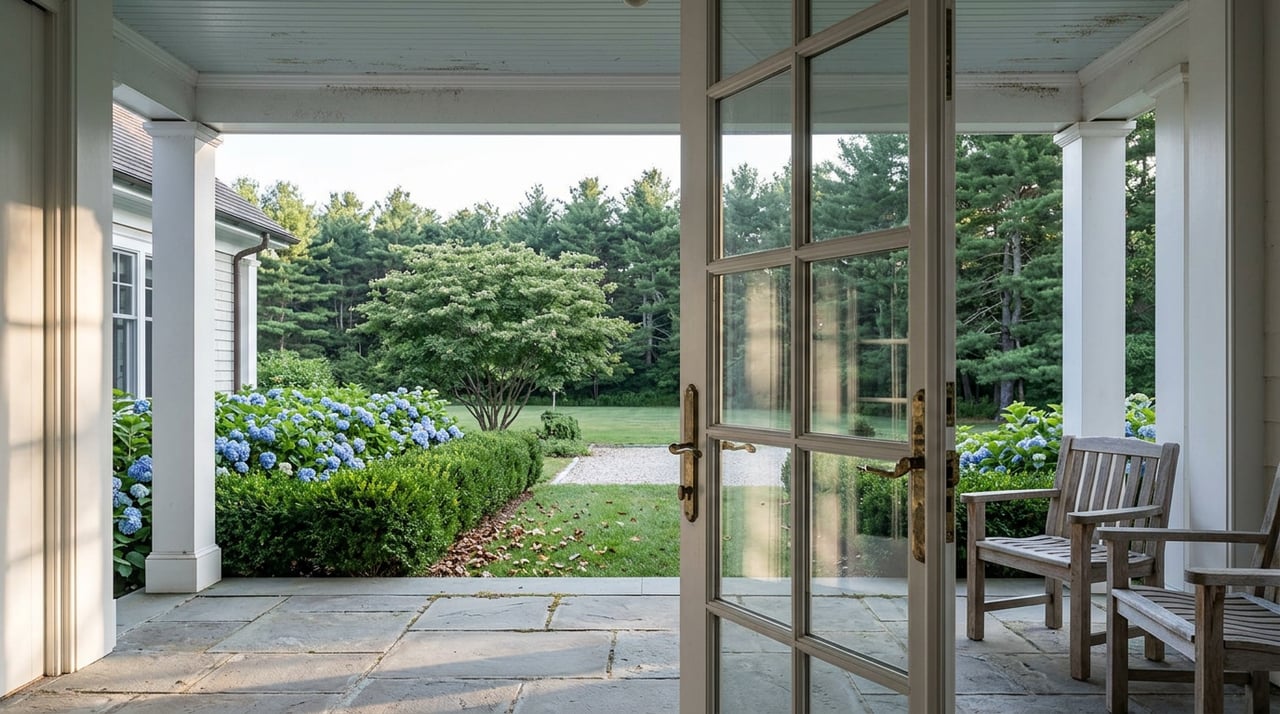
A Kennebunkport cottage with ten summers of rental bookings can look like a home that pays part of its own way. Under the town's ordinance, though, the short-term rental license behind those bookings is not part of the sale. When the property goes to a new owner, the license generally goes away. Outside one neighborhood, the buyer applies for a new one under a town-wide cap, and that cap has produced a waiting list.
That rule changes what "rental history" is worth in this market. Rental history describes how the seller used the property. It says nothing about what the buyer will be allowed to do.
What Chapter 129 attaches to the owner
Kennebunkport regulates short-term rentals under Chapter 129 of the Town Code. It defines a short-term rental as a residential dwelling rented for less than 30 consecutive days. No one may advertise, rent, or operate one without a license. Each license covers one calendar year and expires December 31. An owner who renews on time keeps operating, and a renewal that arrives after the deadline counts as a new application.
The section that matters most to a buyer is the nontransferability clause. The ordinance says plainly:
"Short-term rental licenses issued under this chapter shall not be transferable to a new owner or location. Any change of ownership shall require a new license, except transfers of the real estate and related license in a permitted transfer."
The code limits "permitted transferees" to a short list: another current owner, close relatives of a current owner, trusts for those family members, and estate-planning entities owned by or benefiting a current owner and certain family members. Licensees must certify every year that they have made no transfers outside those categories. A license also can't move to a different dwelling unit.
So a license can pass within a family, but not to a buyer at arm's length. A seller handing a Cape Porpoise house to a daughter can keep the license in place. A seller listing that same house on the open market cannot.
Where the license goes after a sale
Many of the original licenses date from the program's start. To license a home that was already a rental, the owner had to show at least 14 days of short-term rental use in 2019, 2020, or 2021. The ordinance took effect January 1, 2022, and the town-wide cap followed on January 1, 2023. In effect, those licenses carried rental history from before the rules into the regulated era, and they stay valid only as long as the same owner, or a permitted transferee, keeps renewing them.
When one of those homes sells to an outside buyer, the license leaves the house. It also creates an opening for someone else. The town's short-term rental page lists three things that determine how many licenses become available each year:
- Licensed properties that sell in a transfer that doesn't meet the transferability standards.
- New licenses the Select Board adds each year, using a formula based on the number of dwellings in Kennebunkport.
- Licenses the Select Board revoked during the prior year.
Item one means the market supplies the licenses. Each arm's-length sale of a licensed home outside Goose Rocks Beach frees up capacity under the cap, and the town hands that capacity to applicants in the order their applications arrived. The buyer of the house that just lost its license has no priority for the next opening.
The waiting list is real. A town notice from the 2024 licensing cycle said waitlisted applicants were notified by email on March 8, 2024. It added that a spot on the list "DOES NOT guarantee approval," and asked waitlisted applicants not to reapply because their applications would stay on the list "until a license becomes available in the future." The ordinance gives no fixed cap number, saying only that the Select Board sets the total each year by a formula based partly on a percentage of residential dwelling units. The size of the cap and the length of the list are worth asking the town about directly before you count on rental income.
Goose Rocks Beach counts differently
One neighborhood sits outside the cap. Short-term rentals in the Goose Rocks Beach Neighborhood still need a license, but under §129-9 those licenses "shall not be counted towards the total number of short-term rental licenses" the Select Board sets each year. The town publishes a Goose Rocks Beach neighborhood map showing which properties are exempt from the overall cap.
That gives two towns' worth of math inside one town line. Nontransferability applies everywhere, so a Goose Rocks Beach buyer still needs a new license. Without the cap, though, that buyer's application faces no queue for a limited supply of licenses. The buyer still has to meet the same standards, inspections, and deadlines as everyone else. For a second-home buyer who expects to rent the property part of the year, which side of the map line a house sits on can matter as much as anything else in the listing.
The 2025 amendment added a per-lot limit
Voters took up changes to Chapter 129 as Question 7 at the November 4, 2025 town election. The fall 2025 Town Review said the Select Board had asked staff to propose the amendment and that existing licensees would not be affected. The code now in effect, marked as amended November 4, 2025, includes a limit for properties with more than one dwelling.
No lot may receive more than two licenses or licenses for 50 percent of its dwelling units, whichever is greater, with fractions rounded down. Owners who held more licenses than that as of the 2025 license period may keep renewing them. That protection "will expire with the transfer of said dwellings or lot to new owners," who must then fit within the limit.
This matters most for buyers looking at compounds or multi-unit properties. A five-unit lot that rents all five units today may be able to rent only two after a sale. The seller's license count shows what the seller is grandfathered into. The buyer's maximum is set by the formula.
What licensed owners operate under
Licenses come with ongoing obligations, and those obligations affect whether a license survives long enough to renew. Under the current code:
- The Code Enforcement Officer inspects licensed premises once every five years.
- Occupancy is capped at two tenants per bedroom plus two more per dwelling.
- Every advertisement must include the current license number, and the owner must keep rental records and provide them within five business days of a town request.
- After violations, the town may bar the owner from licensing the unit for 12 months after the current license expires.
The town's penalty schedule, dated July 31, 2024 and still linked from the town's page, sets fines for unlicensed advertising at $200, $400, and $650 per day for first, second, and third violations. Other violations of the ordinance carry $250, $500, and $750 per day. A fourth violation within 12 months can lead to suspension or revocation. Revoked licenses return to the pool under the third factor above.
The state applies too. Maine Revenue Services lists the lodging tax rate at 9 percent for 2026, the same rate in effect since October 1, 2019.
The courts have also weighed in on what counts as a dwelling that qualifies for a license. In 15 Langsford Owner LLC v. Town of Kennebunkport, decided December 19, 2024, the Maine Supreme Judicial Court affirmed a lower court ruling that vacated the town's license denials. The court found the units were legally existing residential dwellings rather than hotels or inns.
The window that is open right now
| Date | What happens |
|---|---|
| October 1, 2026 | Application portal opened for 2027 licenses, new and renewal |
| December 31, 2026 | Portal closes; town sources list noon on one page and 4:00 p.m. on another |
| December 31, 2026 | All 2026 licenses expire |
The town's September 3, 2026 update says renewing owners log into their existing GovOS accounts, while new applicants must create an account. For new 2027 applications, the town's short-term rental page asks applicants to register an email and then contact Nadia Crockett-Current at the town to connect a specific property. The two town pages give different closing times, so confirming the deadline directly with the town, at 207-967-1614, is the safest step.
This timing affects closings. A buyer who closes in November takes title partway through an application window that the seller's license can't carry over into. Applications are reviewed in the order received, so a new owner who applies early in the window is ahead of one who applies late. Whether the cap leaves room for either one is something the town has to answer.
Questions buyers and sellers ask
Does a license survive if the house goes into a family trust? It can. The ordinance treats transfers to trusts benefiting a current owner or certain family members, and to estate-planning entities owned by them, as permitted transfers. In those cases the license and the property move together.
Can a seller list a home with its license included? Not to an outside buyer. Any change of ownership outside the permitted categories requires a new license.
Is every new application subject to the cap? Every application outside the Goose Rocks Beach Neighborhood is subject to the annual license total the Select Board sets. Goose Rocks Beach licenses are required but excluded from that total.
Do owner-occupied homes renting a room need a license? The code exempts an owner-occupied dwelling that rents no more than two rooms, with each room rented at most once per week.
When we represent a Kennebunkport home with a rental record, we market it as what it is: a home with a strong rental track record that a buyer will need to license again, with its position relative to the Goose Rocks Beach map line spelled out from the start. If you're weighing a sale, a family transfer, or a purchase where rental use matters, Linda MacDonald and our team can walk through how Chapter 129 applies to your property before the December 31 window closes. Request a complimentary home valuation, and we'll include what your license status means for your sale.
This article is general information, not legal, tax or financial advice. Consult a qualified professional about your situation.