Thinking about a second home in Freeport that you can enjoy most of the year and rent seasonally to help offset costs? You are not alone. Freeport blends coastal access, iconic retail, and a relaxed outdoor lifestyle, which makes it appealing to both owners and guests. In this guide, you will learn how the local rental seasons work, which neighborhoods attract travelers, what rules and protections to check, and how to set up a smooth, low‑stress operation that fits your lifestyle. Let’s dive in.
Why Freeport works for seasonal rentals
Freeport is a year‑round destination with a diverse draw. The L.L.Bean flagship and outlet shopping bring steady foot traffic, and the town’s coastal setting offers boating, kayaking, and Casco Bay scenery. That mix supports strong summer demand with meaningful shoulder‑season interest in spring and fall.
Summer is the clear peak, but weekend stays in May, September, and October are common as visitors come for foliage, retail events, and coastal hikes. Winter is the quietest season, yet you can still capture periodic weekend trips tied to holiday shopping, winter recreation, or regional business and campus visits.
For you as an owner, this means you can enjoy the home for much of the year while reserving prime weeks for income. With a good plan, you can keep turnover reasonable and preserve the low‑key feel of a second home.
Seasonality and booking patterns
Peak occupancy arrives in July and August, with strong demand around Memorial Day, the Fourth of July, and Labor Day. Weekly bookings are common in midsummer, while shoulder seasons skew toward extended weekends.
Many lifestyle owners set weekly minimums in peak summer and allow shorter minimums in spring and fall. This reduces turnover and wear while still meeting guest demand. If you want to estimate pricing and occupancy for a specific property type and location, use current local short‑term rental market tools and platform analytics before you buy.
If your primary goal is enjoyment with modest income, release the calendar for peak and shoulder weeks that you do not plan to use, and set blackout dates early for family time. This safeguards your favorite weeks and keeps management simple.
Neighborhoods and locations to consider
Downtown and Main Street
Homes close to Main Street and the outlets suit guests who value walkable access to shops and restaurants. Expect year‑round interest, with weekends strongest outside summer. Guests will look for convenient parking and easy storage for shopping bags, luggage, and bikes.
Waterfront and South Freeport marinas
The Harraseeket River and South Freeport harbor areas are magnets for boaters and coastal travelers. Views, mooring options, and proximity to the water often command premium rates. Guests expect clear information on launch points, tides, parking, and water access. Maintenance needs can be higher here due to salt air and dock care, so plan budgets and schedules accordingly.
Near parks and preserves
Properties near Wolfe’s Neck Woods State Park and other coastal trails attract nature‑minded guests who want kayaking, birding, and hiking. These renters value outdoor gear storage, a mudroom, rinse‑off areas, and strong guidance to local trailheads and launches.
Easy access to I‑295 and Route 1
Homes with quick highway access work well for travelers combining Freeport with nearby towns like Brunswick and Portland. Expect shorter stays, business travelers, and regional road‑trippers. Clear driving and parking instructions help ensure smooth arrivals.
What to verify before you buy
Every potential rental has unique strengths and constraints. Confirm the details that directly affect guest experience and your ability to operate:
- Exact distance and travel time to marinas, parks, and downtown. Do not rely on vague “near” claims.
- On‑site parking count and any curb or road restrictions for guest vehicles.
- Flood and coastal exposure using FEMA Flood Insurance Rate Maps and local shoreline rules.
- Septic and well capacity, design flow, and any health code limits tied to occupancy.
- Condo or HOA covenants that regulate or prohibit short‑term rentals.
- Neighborhood character and tolerance for turnover. Residential streets may prefer quieter use.
- Marina specifics if applicable, including transient dockage, fees, and waitlists.
- Availability of local cleaners, handypeople, and property managers.
Doing this diligence up front helps you avoid costly surprises after closing.
Rules, taxes, insurance, and safety
Local regulations and permits
Many Maine towns require registration, safety steps, or permits for short‑term rentals. Confirm Freeport’s current rules and procedures directly with the Town’s Planning, Code Enforcement, or Finance offices for the property and zoning in question. If your home is in a condominium or planned community, review the governing documents for rental restrictions.
Taxes and reporting
Owners are responsible for collecting and remitting applicable lodging and sales taxes as required. Verify state requirements through Maine Revenue Services and ask the Town of Freeport about any local tax or registration obligations. Some platforms collect part of the taxes on your behalf, but you should not assume they cover everything. Keep thorough records.
Insurance and liability
Standard homeowner policies often exclude commercial short‑term rental use. Speak with your insurance provider about a vacation‑rental endorsement or a dedicated short‑term rental policy. For waterfront properties, evaluate flood risk and flood insurance needs, since standard policies do not cover flood. Consider an umbrella policy and decide whether to require security deposits or damage protection through your booking platform.
Safety and community relations
Install smoke and carbon monoxide detectors, post emergency and egress information, and follow any occupancy signage requirements. If you rely on a septic and well, schedule regular inspections and include guest guidance to avoid overloading systems. House rules should clearly state quiet hours, parking details, and maximum occupancy. A local contact for neighbors and guests helps resolve issues quickly and keeps things friendly.
Furnishing and setup that guests love
Your goal is a durable, welcoming home that is easy to maintain between stays. Focus on:
- Durable finishes like treated fabrics, performance rugs, and vinyl plank flooring.
- Fast, reliable Wi‑Fi, a smart TV, and simple streaming instructions.
- Quality beds and linens with labeled backups for turnovers.
- A complete kitchen with cookware, sharp knives, a coffee setup, and small appliances.
- Outdoor gear storage for bikes, paddles, and beach items, plus boot trays and a hose for rinse‑offs.
- Owner storage using a lockable closet or off‑site bin for personal items.
- Safety gear including fire extinguishers, a first‑aid kit, and a clear house manual with shutoffs and local contacts.
On the waterfront, corrosion‑resistant hardware and scheduled dock maintenance protect your investment. For trail‑oriented homes, add hooks, benches, and a mudroom mat to keep sand and mud contained.
Operations that protect your time
Calendar strategy that fits your life
Set your personal calendar first, then build your rental plan around it. Examples:
- Owner reserves 8 to 10 personal weeks that include late June, a mid‑August week, and two fall foliage weekends. Remaining July and August weeks are weekly rental blocks.
- Owner reserves school vacations and major holidays, plus several shoulder‑season weekends. Summer is available as weekly stays from late June through Labor Day.
- Owner offers only shoulder‑season rentals in May, September, and October with 3‑night minimums, keeping all of summer for family use.
Weekly summer minimums limit turnover and reduce neighborhood impact. Shorter minimums in spring and fall can capture flexible weekend demand without adding heavy wear.
Smooth check‑in and check‑out
Use smart locks or a lockbox to simplify arrivals. A clear digital guidebook, short house rules, and labeled storage decrease questions. Scheduling cleanings at the time of booking and keeping a backup cleaner on call will save you stress during peak periods.
Management models and tradeoffs
- Self‑management gives the most control over your calendar and costs, but you handle guest communication, cleaning coordination, and emergencies.
- Full‑service property management typically charges a significant portion of rental revenue for marketing, guest services, turnovers, and permitting help. You gain local expertise and quick response, but net income is lower.
- Hybrid approaches split tasks. For example, you manage bookings and communication while a local cleaner and handyperson handle turnovers and on‑call visits. Another option is to engage a manager for marketing and turnovers while you retain calendar control.
Choose the model that preserves your enjoyment of the home while meeting your financial goals.
Budgeting and planning for success
Revenue mindset and pricing
Plan conservatively. Use current neighborhood data from short‑term rental market tools to estimate peak rates and occupancy. If you plan heavy personal use, assume lower availability in your revenue model. Waterfront or marina access can support premium pricing, especially if you highlight unique experiences like convenient launch access.
Offer weekly discounts in high season to encourage longer stays, and use minimum‑night rules to limit turnover costs. Adjust pricing for holidays and popular events.
Ongoing costs to expect
Create a realistic operating budget that includes:
- Utilities, including seasonal heating and electricity.
- Cleaning and laundry per turnover.
- Property management or marketing fees if applicable.
- Maintenance, consumables, linens, and small replacements.
- Insurance premiums, including flood where needed.
- Taxes, permits, and any required inspections.
- Capital reserves for furniture, appliances, roof or deck upkeep, and dock work. Many owners set aside 10 to 30 percent of gross rental income for maintenance and capital items, with higher reserves for older or coastal properties.
Break‑even and lifestyle calculus
For many owners, the goal is to offset carrying costs rather than maximize profit. Model scenarios where you use the home 8 to 12 weeks per year, rent weekly during peak summer, and open select shoulder weekends. Include the non‑financial value of family time, community ties, and stress reduction. Your schedule should reflect what you want from the home first.
Exit and resale positioning
Keep clear records of bookings, taxes, permits, and maintenance. A clean operating history can help future buyers understand the home’s potential if local rules permit. Choose neutral, durable finishes that appeal to both a future primary resident and a part‑time rental owner.
Quick case study: waterfront weeks that work
A couple purchases a South Freeport cottage with easy access to the harbor. They reserve late June, a week in August, and several fall weekends for personal use. They list Saturday‑to‑Saturday in July and early August with a weekly minimum and require a security deposit.
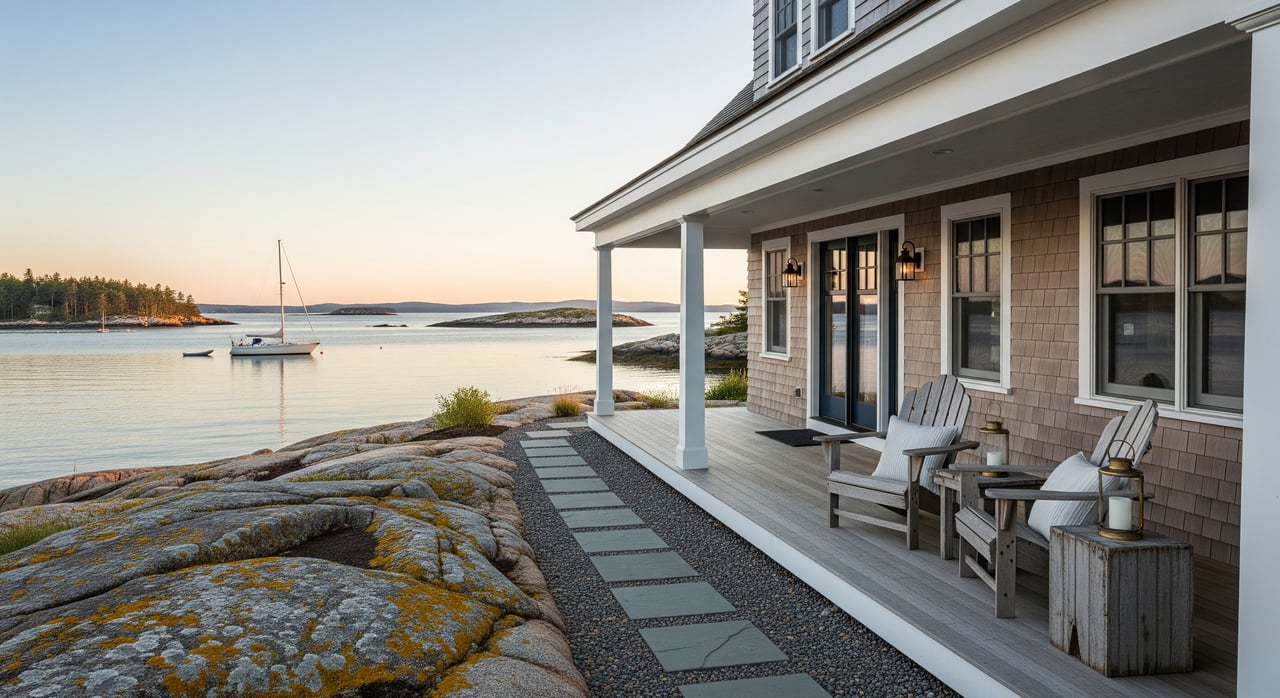
They outfit the home with corrosion‑resistant hardware, a labeled gear shed, and a simple house manual that covers tides, parking, and launch points. Turnovers are handled by a local cleaner with a backup on call. The summer weeks help offset taxes, insurance, and dock maintenance while the couple enjoys their favorite shoulder‑season days on the water.
Freeport second‑home due diligence checklist
Use this list before you write an offer or commit to operating seasonally:
- Town of Freeport short‑term rental rules for your property type and zoning.
- Registration or permit steps, inspections, and any safety requirements.
- Condo or HOA covenants related to rentals and enforcement history.
- Lodging and sales tax obligations, filings, and documentation needs.
- FEMA flood zone status, base flood elevation, and insurance implications.
- Septic and well capacity, recent inspection results, and guest guidance needs.
- On‑site parking count and roadway restrictions.
- Marina access details, transient slip availability, and fees if relevant.
- Local cleaner, property manager, and handyperson options.
- Pricing and occupancy references from current short‑term rental market tools.
Ready to explore Freeport options?
If you want a second home that balances coastal living with low‑stress seasonal rental potential, we can help you evaluate neighborhoods, rules, and return potential at a property‑specific level. From waterfront cottages near the Harraseeket to in‑town retreats steps from Main Street, our team brings the local insight and concierge‑level coordination you need to make a confident decision. Start a conversation with Linda MacDonald to discuss your goals and see what is coming to market.
FAQs
What is the best season to rent a Freeport second home?
- July and August are the strongest, with popular holiday weekends and steady shoulder‑season demand in May, September, and October.
How can I keep turnover low but still earn summer income?
- Set weekly minimums in peak season and shorter minimums in spring and fall, then reserve personal blackout dates early.
Do I need a permit or registration to operate in Freeport?
- Many Maine towns require registration or permits. Confirm current requirements for your property with the Town of Freeport’s Planning, Code Enforcement, or Finance offices.
What insurance do I need for a seasonal rental near the water?
- Ask your insurer for a short‑term rental endorsement or policy, review liability limits, and evaluate flood insurance since standard policies do not cover flood.
Will my septic and well handle guest stays?
- Capacity varies by system. Verify design flow and inspection history, and provide guests with simple usage guidance to avoid overloading.
Should I self‑manage or hire a property manager?
- Self‑management offers control and lower fees but requires more time. Full‑service management trades a share of revenue for local expertise and support. A hybrid approach can balance both.