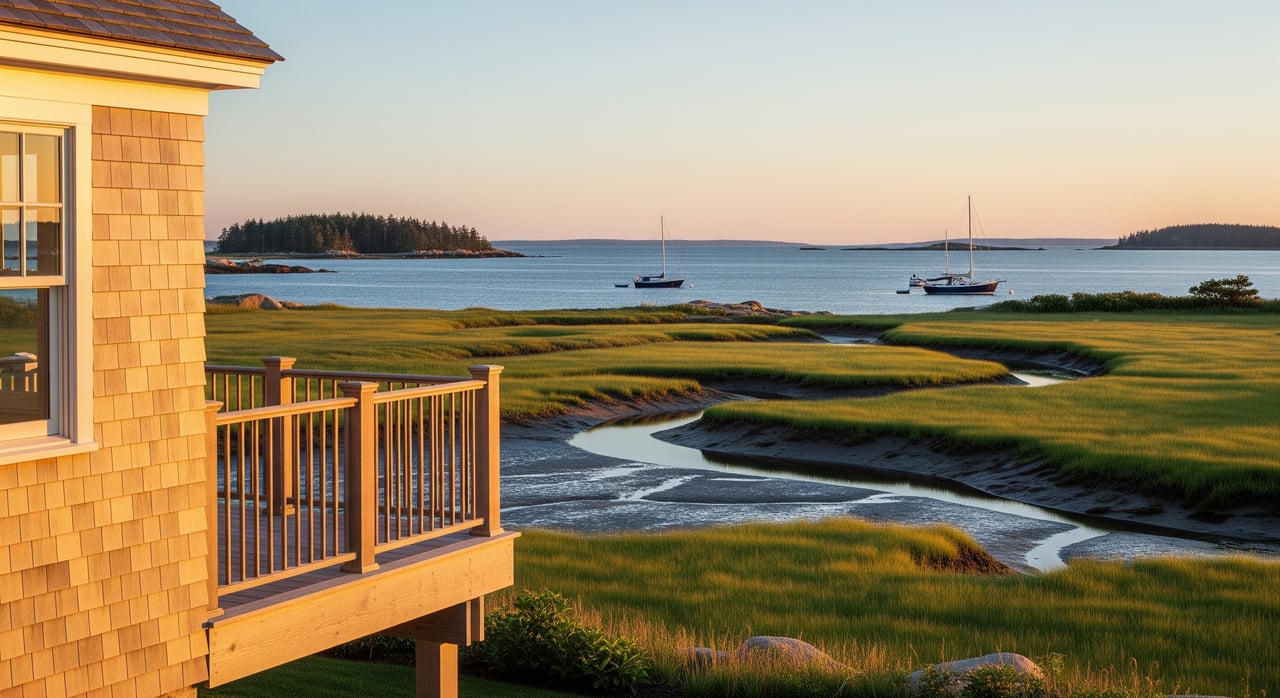
Picture yourself on a quiet morning in Yarmouth, coffee in hand, watching the tide roll across Casco Bay. Now ask the big question: do you want water at your dock all day, or are you happy timing outings with the tide? If you are comparing tidal and deepwater properties, the choice shapes your boating, your budget, and your day‑to‑day life on the coast. In this guide, you will learn the real differences in Yarmouth, how docks and permits work, and what to check before you buy. Let’s dive in.
Tidal waterfront in Yarmouth
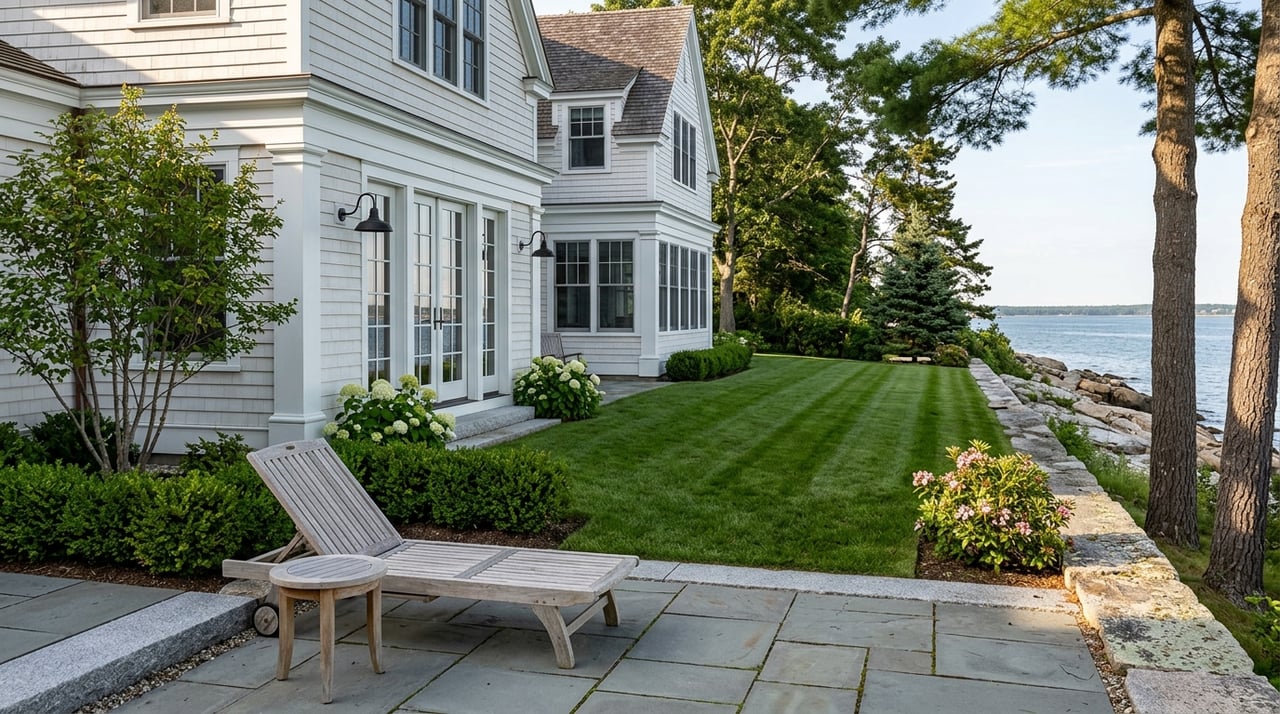
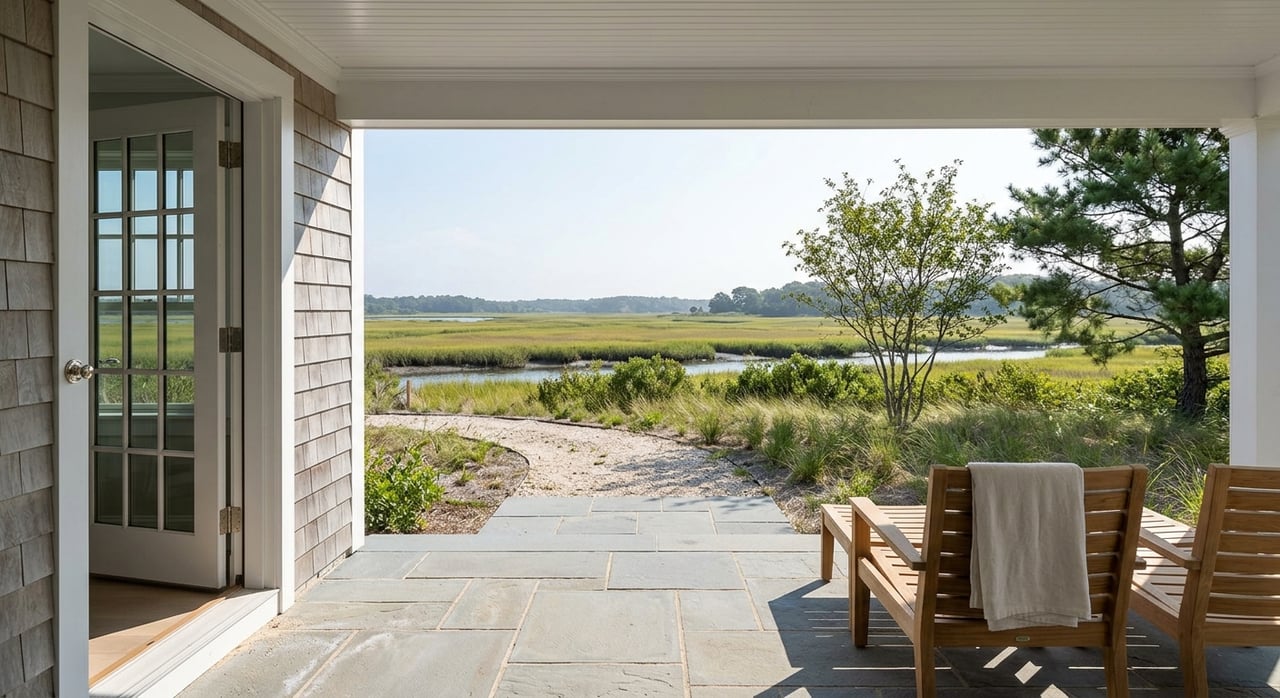
Tidal waterfront means the shoreline is exposed to daily tide changes. At low tide you may see mudflats, ledge, or sand, and at high tide you have full water coverage. In Casco Bay, tides are semi‑diurnal, and seasonal spring tides can swing several feet to around ten feet, so depth changes quickly through the day. In Yarmouth, tidal frontage can include parts of the Royal River and open bay coves that look very different at low and high water.
For many buyers, tidal sites are about scenery, wildlife, and relaxed water play. You can launch kayaks, paddleboards, and small skiffs, and enjoy the rhythms of the tide. If you own a boat with more draft, you will want to verify low‑tide depths and plan for a dock or mooring solution that works within the local range.
Deepwater waterfront in Yarmouth
Deepwater means there is sufficient depth at mean low low water for your boat to float and operate. In practice, you match your boat’s draft to the charted or measured depth at the lowest daily tide. With true deepwater, you can often build a shorter ramp and float, or use a private slip, and access your boat regardless of the tide cycle. This setup is ideal if you want spontaneous trips or plan to berth a larger motorboat or sailboat at home.
In Yarmouth, local bathymetry can change within a few yards, so do not rely on listing language alone. Confirm depths with NOAA charts and local soundings near the exact shoreline. A marine contractor can help you test depth, locate ledge, and align a feasible dock layout.
Royal River and harbor‑front at a glance
The Royal River meets Casco Bay in Yarmouth and stays tidal well inland from the mouth. On this reach, you gain protection from ocean swell, but currents and a narrower navigation channel can affect access. At low tide, some stretches are shallow, which limits larger boats.
Harbor‑front locations offer shelter, social activity, and proximity to moorings or slips. You may face harbor rules, fees, and availability constraints. If you want protected waters and easy access to services, harbor‑front can be a strong fit, especially for smaller craft or as a base for a tender to reach a larger moored boat.
Boating access and dock options
Matching access to your boat
- Deepwater sites: Best for larger motorboats and sailboats. You can come and go at any tide and often use a shorter pier with a float.
- Tidal sites: Great for kayaks, paddleboards, and shallow‑draft skiffs. Larger boats may need to time departures and returns or use a mooring.
- Riverfront: More protected from swell, but channels can be narrow and depth is tide‑dependent in places. Expect current and wake considerations.
- Harbor‑front: Sheltered waters with town infrastructure. Rules and assignments may guide where you keep a boat.
Dock types you will see
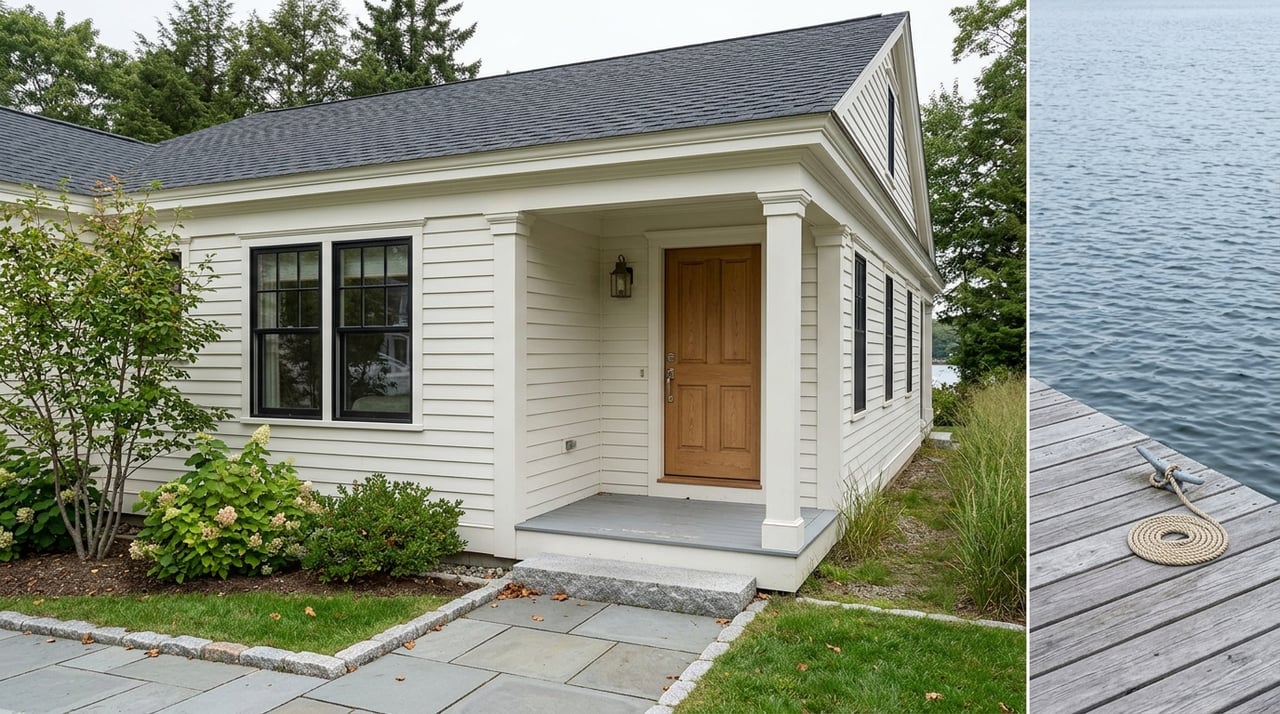
- Fixed pile‑supported pier with a float: Common where there is intertidal ledge and suitable seabed for piles. A float at the seaward end adjusts with the tide.
- Floating dock with a ramp: Popular on tidal frontage. Ramp length depends on the tidal range and shore slope.
- Skiff or kayak access: Beach stairs or a simple landing area can be all you need for paddling and rowing.
- Mooring or slip: Moorings cost less to install but require a tender. Slips are convenient and direct but cost more and may have longer permitting or assignment timelines.
Practical checks before you assume access
- Take soundings at mean low low water where a dock or float would sit. Verify charted hazards like ledge or shoals.
- Ask the Yarmouth Harbormaster about mooring fields, rules, and any waitlists. Confirm marina options and haul‑out services.
- Consider seasonal conditions, including wind exposure, storm surge, FEMA flood elevations, and ice. Some protected inlets can freeze or trap drifting ice, which affects winter storage and dock removals.
Mooring vs dock: quick pros and cons
- Mooring benefits: Lower upfront cost and simpler setup. Downsides include using a dinghy, swing room limits, and town rules.
- Dock benefits: Direct access and easier gear handling. Downsides include higher construction cost, permitting complexity, and more maintenance in a saltwater and ice environment.
Permits and rules you should know
Coastal work in Yarmouth involves multiple layers of review. Expect to coordinate local, state, and federal approvals for new docks, significant repairs, or shoreline changes.
- Town of Yarmouth: Shoreland zoning, building permits, and harbor ordinances. The Harbormaster manages moorings and local harbor rules.
- Maine DEP and Natural Resources Protection Act programs: Required for work in tidal wetlands, shorelines, and submerged lands.
- Maine DMR: Reviews potential impacts to eelgrass, shellfish beds, and fisheries. Aquaculture areas can limit siting.
- U.S. Army Corps of Engineers, New England: Federal permits for structures or fill in navigable waters.
Typical constraints include habitat protection, setbacks, and avoiding interference with navigation or public trust resources. Permit timing can take weeks to months depending on complexity and resource concerns. Early outreach and a complete application save time.
Lifestyle, costs, and upkeep
How each frontage feels day to day
- Deepwater: Easiest for frequent outings and larger vessels. Good for quick weekend cruises and spontaneous sunset sails.
- Tidal: Scenic, dynamic views and shore exploration. Best for paddling, clamming, and quiet coves where you watch the tide reveal ledge and flats.
- Riverfront: Often quieter with less swell. Great for rowing and kayaking with attention to currents and tide windows.
- Harbor‑front: Sociable setting with more boat traffic and convenient services, typically in more protected waters.
Maintenance and seasonal realities
- Saltwater accelerates corrosion and marine growth. Expect periodic replacement of hardware and float components.
- Winter ice and storms can damage structures. Many owners remove or secure floats for winter.
- Ongoing costs can include mooring or slip fees, haul and launch services, and dock maintenance.
- Construction in tidal areas is specialized and can cost more than lakeside docks due to piles, ramps, and environmental reviews.
Insurance and financing
Waterfront homes can have higher property insurance due to flood, wind, and storm exposure. Flood insurance may be required in mapped flood zones. Lenders often review docks, moorings, and shoreline structures during underwriting, so gather permits and maintenance records for a smooth process.
How to choose: a quick decision guide
- Choose deepwater if you have or plan to buy a larger boat, want all‑tide access, and prefer direct boarding from your property.
- Choose tidal if you value quiet coves, paddling, wildlife, and do not mind timing boating with the tide or using a mooring.
- Choose riverfront if you want protected, scenic waters for human‑powered craft and smaller boats, and you understand channel and current considerations.
- Choose harbor‑front if you want proximity to town marine services, sociable waterfront activity, and sheltered berthing options.
Your due diligence checklist
Use this list before you write an offer. A local marine contractor and a real estate attorney can streamline the process.
- Pull the nearest NOAA tide station data and nautical chart. Confirm MLLW depths right off your shoreline.
- Define your boat’s draft, length, and season of use. Decide whether you need a slip, a mooring, or seasonal floats.
- Call the Yarmouth Harbormaster for mooring rules, assignments, and any waitlists. Ask about winter practices and ice conditions.
- Speak with Yarmouth Planning and Code Enforcement about shoreland setbacks, lot coverage, and vegetative buffer rules.
- Order a title search and review deeds for littoral rights, any easements, and recorded rights of way to the shore.
- Consult a licensed marine contractor on dock feasibility, habitat constraints, and cost estimates.
- Request seller disclosures and any past permits, surveys, or environmental reports related to the shoreline or dock.
Next steps
Every waterfront parcel in Yarmouth is unique, from the ledges along Casco Bay to the tidal bends of the Royal River. The best choice depends on your boat, your routines, and how you want to use the shoreline. If you balance access, permitting, and upkeep with the lifestyle you picture, you will land on a property that fits for years to come.
If you are weighing tidal versus deepwater options or want a second opinion on dock potential, reach out. Our team combines deep local insight with a discreet, high‑touch process tailored to coastal properties. Start a conversation with Linda MacDonald to explore the right Yarmouth waterfront for you.
FAQs
What does “deepwater” mean for a Yarmouth home?
- Deepwater means there is enough depth at mean low low water for your boat’s draft, which allows all‑tide access from a dock or slip.
How big is the tide in Casco Bay near Yarmouth?
- Tides are semi‑diurnal with daily highs and lows, and spring tides can range several feet to around ten feet depending on the season and lunar cycle.
Can I add a dock to a tidal property on the Royal River?
- Possibly, but you will need local, state, and federal permits, and siting is influenced by habitat, setbacks, navigation, and seabed conditions.
Who manages moorings in Yarmouth’s harbor?
- The Town Harbormaster administers mooring fields, rules, fees, and assignments, and can advise on availability and waitlists.
Will my boat float at low tide on a tidal lot?
- Only if measured depth at mean low low water exceeds your boat’s draft near the dock or mooring location; verify with charts and local soundings.
Are waterfront insurance costs higher in Yarmouth?
- They can be, due to flood, wind, and storm exposure, and lenders may review docks, seawalls, and permits during underwriting.