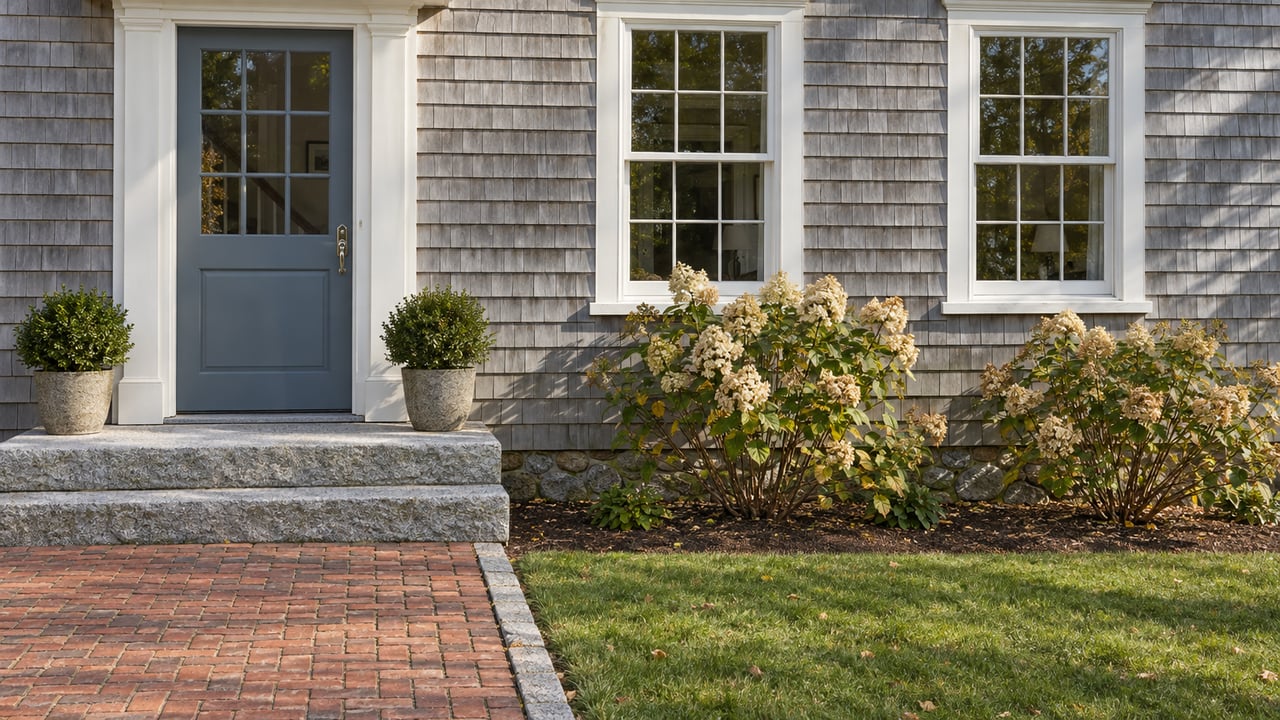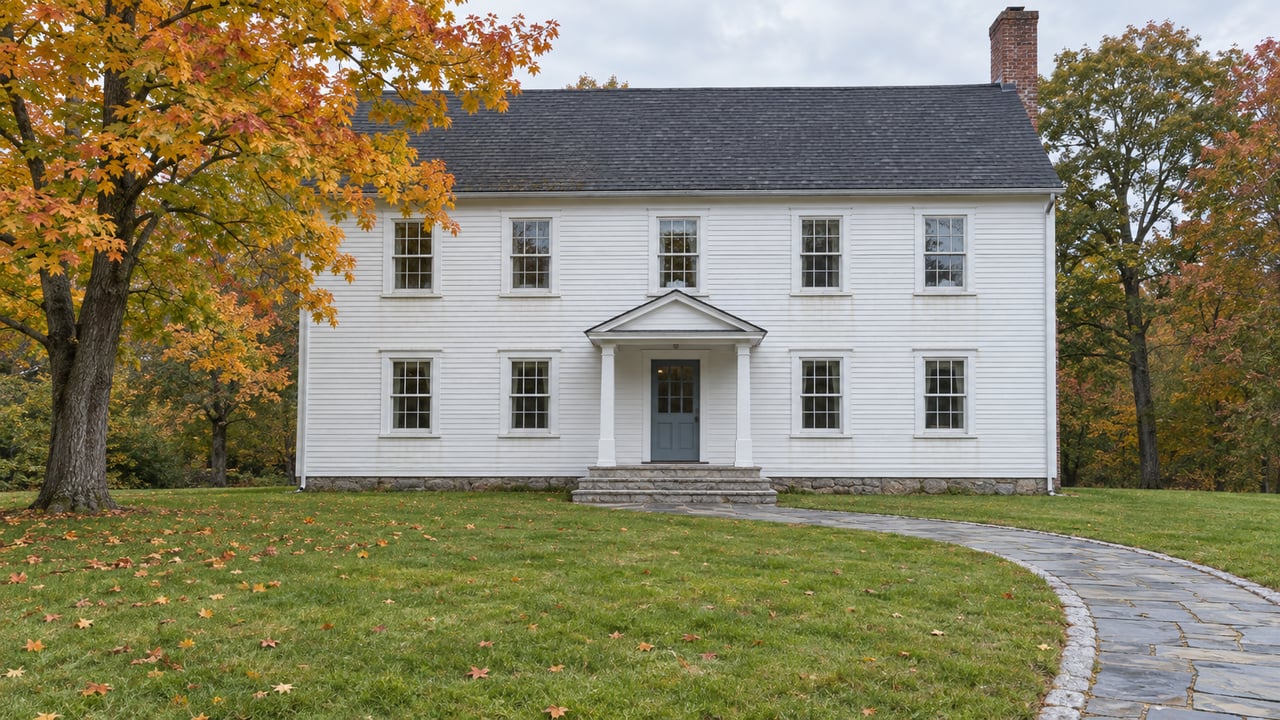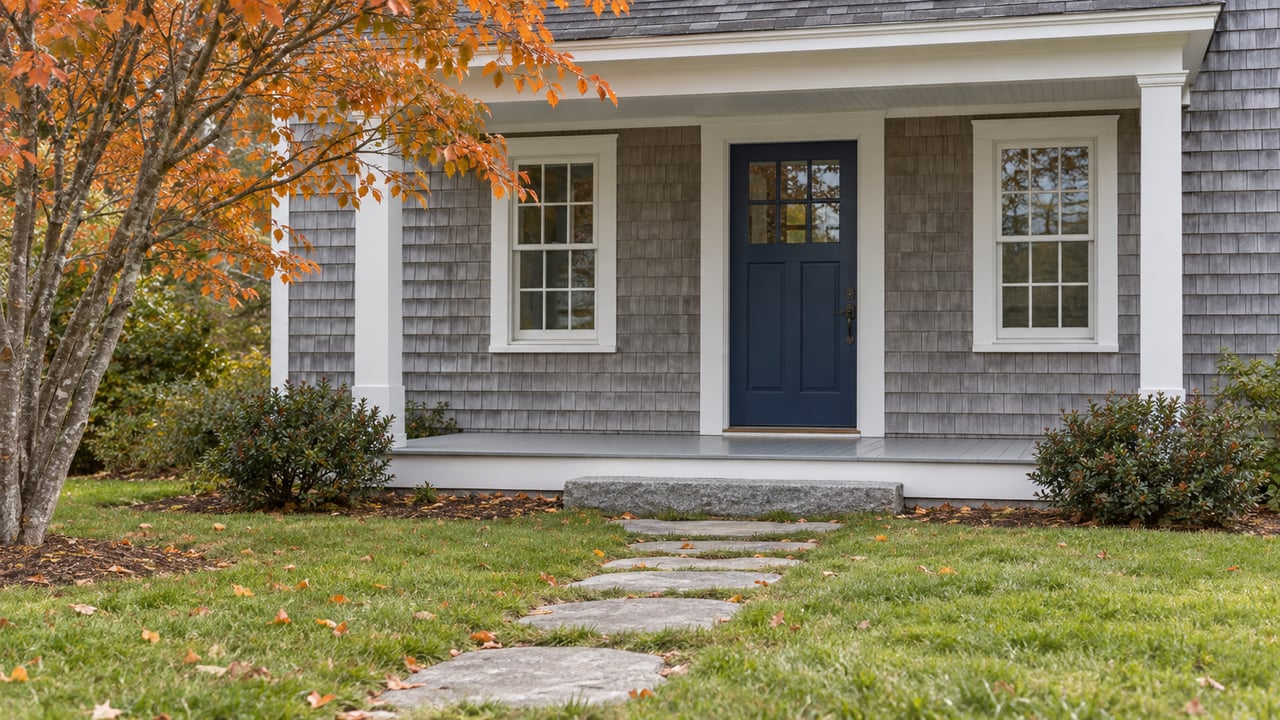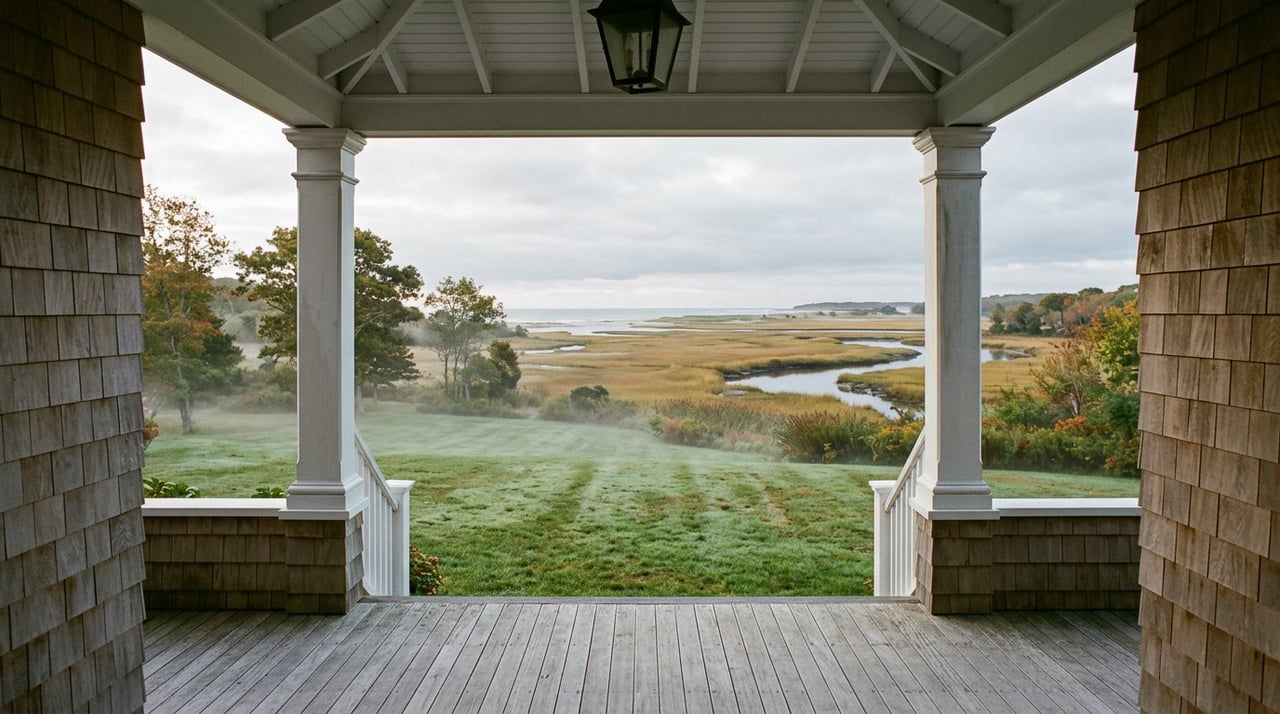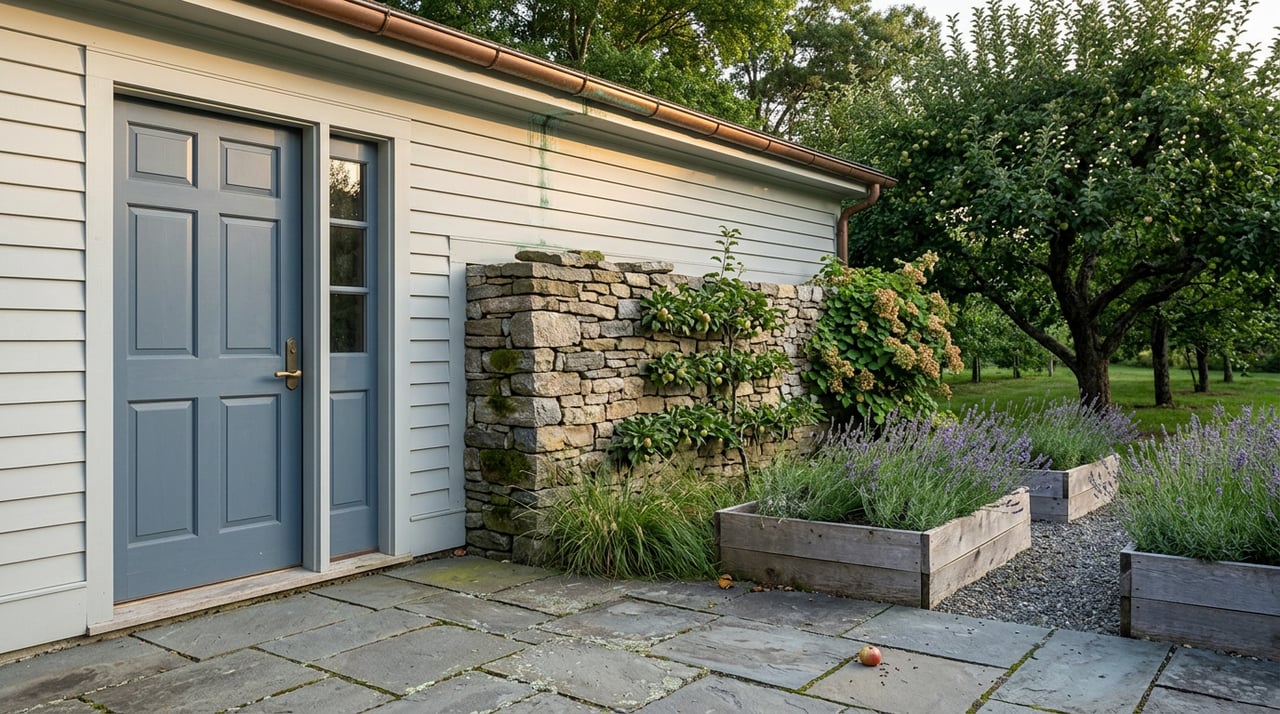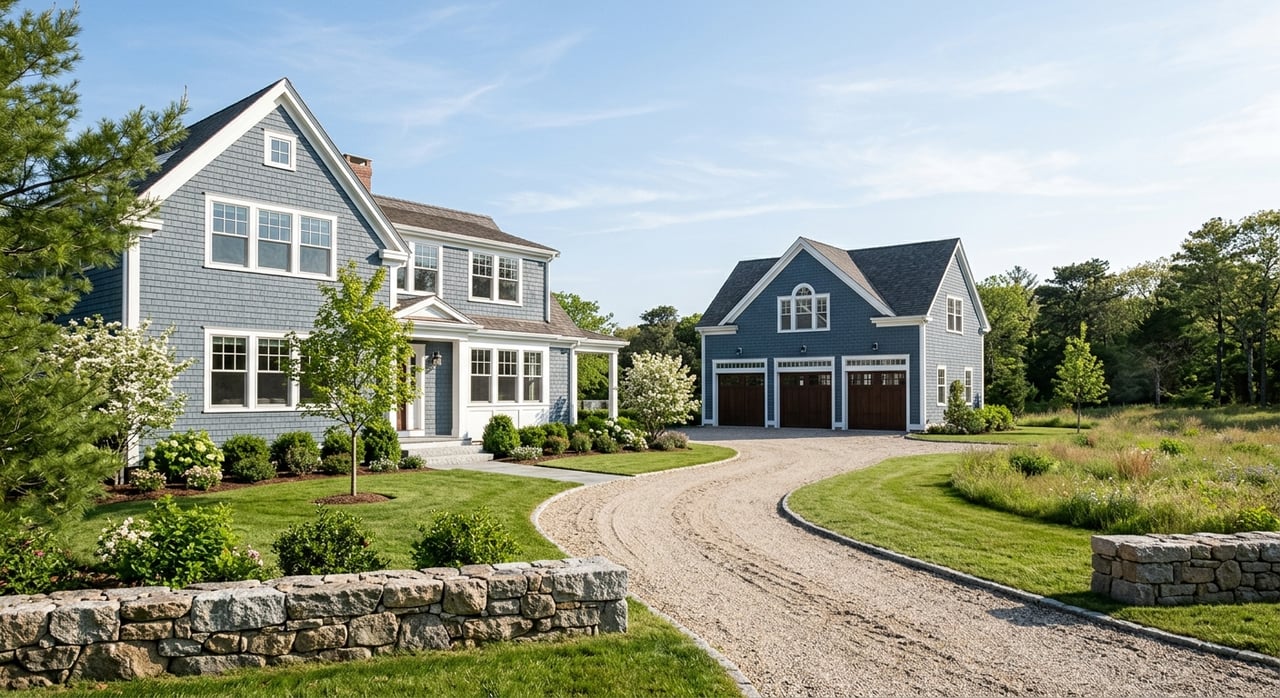
If you are drawn to North Yarmouth for its open land, quiet roads, and long-view lifestyle, you are not alone. Many buyers see the appeal right away, but the real value here goes beyond curb appeal and square footage. When you understand how land use, road access, wells, septic systems, and taxes work in this town, you can buy with more confidence and fewer surprises. Let’s dive in.
Why North Yarmouth Appeals to Buyers
North Yarmouth stands out for buyers who want space, privacy, and a more rural setting while staying connected to Greater Portland. The town’s land use rules are built around low-density living, which helps support the open, uncrowded feel many people are looking for.
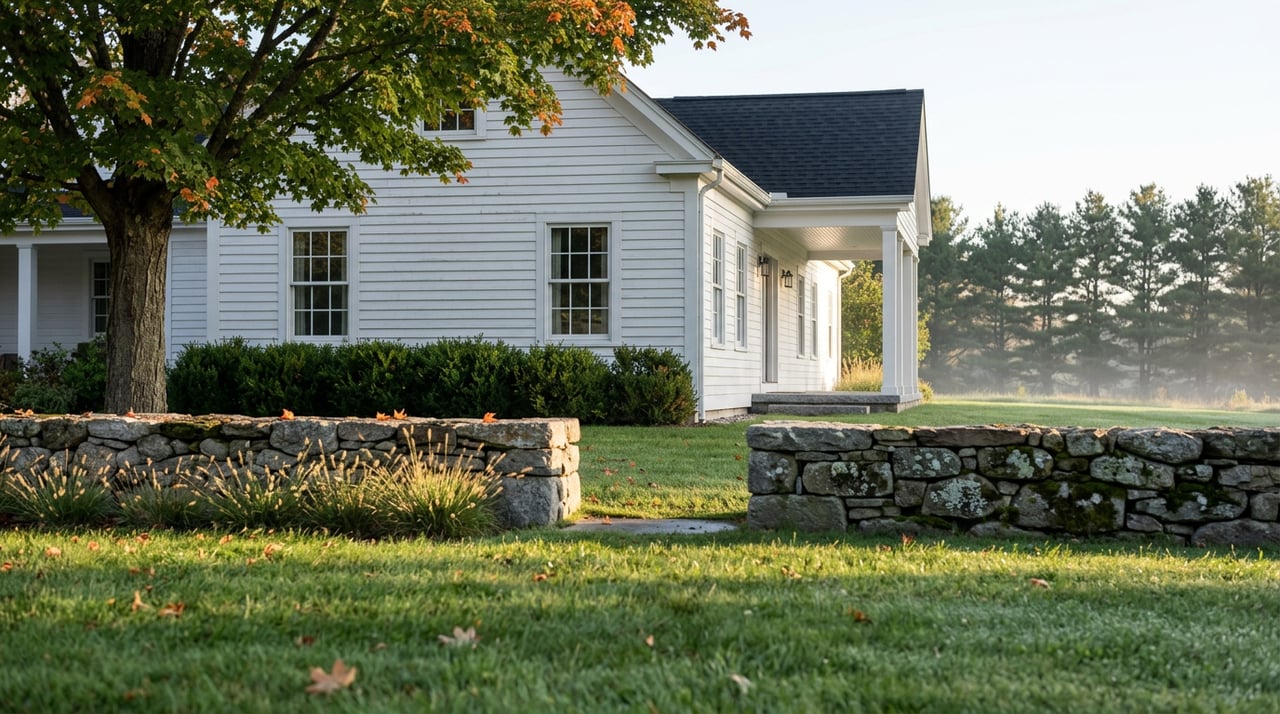
That rural character is not accidental. In the Farm and Forest district, the town’s ordinance is designed to preserve that setting through low-density development with minimal impact on public roads and services, while still allowing forestry, agriculture, and low-intensity outdoor recreation. For you as a buyer, that means the land itself is often a major part of the property’s long-term appeal.
Zoning Shapes What You Can Do
In North Yarmouth, not every lot offers the same future options. The minimum lot area per dwelling unit is generally 1 acre in Village Center and Village Residential, and 3 acres in Farm and Forest, Residential Shoreland, and Resource Protection.
Some subdivisions allow smaller individual lots, but the town still keeps overall density limits in place. In Farm and Forest, Residential Shoreland, and Resource Protection districts, clustered or open-space development is mandatory, and at least 50% of the parcel must be preserved as open space.
That matters if you are comparing homes with acreage or considering a future addition, accessory structure, or land division. A parcel may look generous on paper, but its zoning district, preservation rules, and any overlay restrictions can shape what is realistic.
Accessory Uses Can Add Flexibility
North Yarmouth’s ordinance does allow some useful accessory options. Accessory apartments are allowed as subordinate living units, and accessory structures can include garages, gazebos, greenhouses, home workshops, and recreational facilities such as swimming pools or tennis courts.
That flexibility can be meaningful if you want extra function over time. You may be thinking about guest space, hobby use, storage, or outdoor amenities, but you should still confirm what is permitted for the specific property before you move forward.
Some Parcels Have Extra Limits
There are important exceptions within town rules. In the Village Center, narrower-lot exceptions may be possible when advanced wastewater treatment is used, while lots in the Groundwater Protection Overlay must meet the underlying district minimums with no lot-size reduction allowed.
In simple terms, two properties in the same town can have very different expansion or development potential. That is one reason local due diligence matters so much in North Yarmouth.
Road Access Matters More Than You Think
A beautiful home on a large lot can feel very different depending on the road that serves it. North Yarmouth’s Public Works Department maintains 23.68 miles of roadways, including 1.63 miles of gravel roads, and plows 40.49 miles of roadway, sidewalks, parking lots, and parks.
Before you buy, it is worth confirming whether the property is on a town-accepted road or a private road. That distinction can affect maintenance expectations, winter access, and future costs.
Private Roads Need Closer Review
North Yarmouth has a formal process for turning private roads into town ways, and the ordinance states that the petitioner bears the costs of the road-acceptance petition. The town also requires permits for construction of any public or private road, street, or driveway that intersects a town road.
If a property is on a private road, ownership and maintenance structure matter. For private roads with more than three assigned addresses, the road association is responsible for maintaining and replacing stop signs, and the town assesses the cost of 911 street signs to the road owners or association.
For you, that means a private-road property deserves an extra layer of review. You will want a clear picture of maintenance obligations, shared responsibilities, and how the road functions in winter.
Winter Living Is Part of the Equation
In a rural Maine town, winter access is a real quality-of-life issue. North Yarmouth has a winter parking ban from October 15 through April 15 on public roads and ways during snow or ice events, and residents are asked not to shovel or plow snow into public roads.
If you are relocating from a denser or warmer area, this may seem like a small detail. In practice, it is part of how the property lives day to day, especially if you are evaluating a longer driveway, a gravel road, or a private-road setting.
Wells and Septic Deserve Serious Attention
For many North Yarmouth properties, private well and septic systems are part of the package. These systems are common in rural settings, but they also require more buyer due diligence than a home connected to public utilities.
Maine CDC states that private wells are not regulated, which means property owners are responsible for testing and treatment. The agency recommends annual testing for coliform bacteria, E. coli, and nitrates or nitrites, plus testing every 3 to 5 years for arsenic, radon, uranium, lead, and other common contaminants.
What to Ask About a Private Well
When evaluating a well, Maine CDC advises buyers and owners to consider nearby conditions that may affect water quality. That includes setbacks from septic systems, fuel storage, parking areas, sheds with chemicals, and agricultural fields or gardens.
For a new well, the state recommends at least 100 feet of separation from a septic system when possible. Even if the current home is functioning well, understanding these site relationships can help you avoid unexpected costs later.
Septic Records Can Reduce Uncertainty
Septic due diligence is just as important as well testing. Maine CDC advises buyers to request the HHE-200 design and permit record from the town office when available, because towns often keep those files.
The state also notes that a soil test or site evaluation is needed for first-time development, replacement systems, and expansions. It recommends a septic inspection before a sale, which can give you a better sense of system condition and future maintenance needs.
Ask for These Records Before You Offer
If you are serious about a property, ask for:
- Well test results
- Septic design and permit records
- Pumping history
- Repair records
- Inspection reports, if available
These documents can help reduce uncertainty about wastewater capacity, water quality, and future cost. Maine CDC also advises pumping a septic tank every 2 to 5 years depending on use, and more often if a garbage grinder is installed.
Taxes and Long-Term Ownership Costs
Property taxes are part of the long-term value conversation. North Yarmouth’s FY 2026 property tax mil rate is $20.71 per $1,000 of assessed value, with an assessment date of April 1, 2025.
The town also lists a homestead exemption of $16,500. If you are comparing North Yarmouth with nearby communities, understanding the tax rate alongside lot size, house condition, and utility setup can give you a more complete picture of ownership cost.
Schools and Everyday Practicality
For buyers thinking about daily routines and long-term planning, school assignments are often part of the conversation. In this area, Mabel I. Wilson School serves Cumberland and North Yarmouth, Greely Middle School serves Cumberland and North Yarmouth, and Greely High School serves both communities.
Greely High School also offers Advanced Placement and International Baccalaureate programming. If school access is relevant to your move, it is wise to verify current enrollment details directly as part of your planning.
What Tends to Hold Value Here
In North Yarmouth, long-term value often comes back to clarity and usability. Properties tend to be easier to understand and more marketable when the lot fits the zoning district, road access is straightforward, and well, septic, and accessory improvements have been permitted and maintained.
That does not mean every buyer wants the same thing. Some people are looking for acreage and privacy, while others want a manageable home site with fewer maintenance demands. What tends to matter across the board is reduced uncertainty.
The Best-Positioned Properties Usually Share a Few Traits
When buyers feel confident about a property, it often has:
- A usable lot that aligns with its zoning district
- Clear road status, whether town-accepted or private
- Well and septic documentation that is easy to review
- Permitted accessory improvements where applicable
- A setting that supports the town’s rural character
These features can broaden the buyer pool over time because they simplify decision-making. In a market like North Yarmouth, simplicity and documentation often support value just as much as aesthetics.
How to Buy Smart in North Yarmouth
If you are considering a purchase here, it helps to think beyond the home itself. The house matters, of course, but so do the lot, the road, the systems, and the records.
A smart buying approach usually includes reviewing zoning early, confirming road status, asking for well and septic records, and looking closely at how the property will function through all four seasons. In North Yarmouth, that kind of preparation can help you protect both your lifestyle and your long-term investment.
If you are weighing properties in North Yarmouth and want a clear, informed read on land, access, and long-term value, Linda MacDonald offers thoughtful local guidance tailored to Maine lifestyle properties.
FAQs
What lot sizes are common for homes in North Yarmouth?
- In North Yarmouth, the minimum lot area per dwelling unit is generally 1 acre in Village Center and Village Residential, and 3 acres in Farm and Forest, Residential Shoreland, and Resource Protection.
What should buyers know about private roads in North Yarmouth?
- In North Yarmouth, buyers should confirm whether a property is on a town-accepted road or a private road because maintenance responsibility, sign costs, and winter access can differ.
What well tests matter when buying a North Yarmouth home?
- Maine CDC recommends annual testing of private wells for coliform bacteria, E. coli, and nitrates or nitrites, plus broader contaminant testing every 3 to 5 years for items such as arsenic, radon, uranium, and lead.
What septic records should buyers request for a North Yarmouth property?
- Buyers should ask for the HHE-200 design and permit record when available, along with pumping history, inspection reports, and any repair records.
What is the North Yarmouth property tax rate?
- North Yarmouth’s FY 2026 property tax mil rate is $20.71 per $1,000 of assessed value, and the town lists a homestead exemption of $16,500.
What supports long-term value in North Yarmouth real estate?
- Properties with flexible land use, clear access, and clean documentation often appeal to a wider range of buyers because they reduce uncertainty around permitted use, access, and wastewater capacity.