What does everyday life in the Kennebunks really feel like once you look past the postcard views? If you are considering a move, a second home, or simply want a clearer sense of how these coastal villages function day to day, it helps to know where local routines meet visitor energy. From harbor mornings to walkable village centers, here is a practical look at what life in Kennebunk’s coastal villages is actually like. Let’s dive in.
A Year-Round Coastal Community
Kennebunk is often associated with beaches and summer visitors, but the town describes itself as a year-round destination. That matters if you are trying to picture daily life beyond peak season. The area feels less like one resort town and more like a collection of connected village settings with their own rhythm.
That smaller scale shows up in the numbers as well. Kennebunk had 11,536 residents in the 2020 Census and an estimated 12,028 in 2024, while Kennebunkport had 3,629 residents in the 2020 Census. In practice, that creates a more personal, village-like feel than many people expect.
Kennebunk also has the profile of an established community. In the 2024 Census estimate, 32.5% of residents were 65 or older, and 17.9% were under 18. That mix helps explain why the area can feel steady and residential, even when summer activity picks up.
Village Character Runs Deep
Part of the Kennebunks’ appeal is that their village identity is rooted in local history, not recent branding. Kennebunk’s Lower Village was settled in the 1640s and was once known as Harbor Village. It first developed as a shipbuilding center and later became a stop for summer visitors arriving by rail.
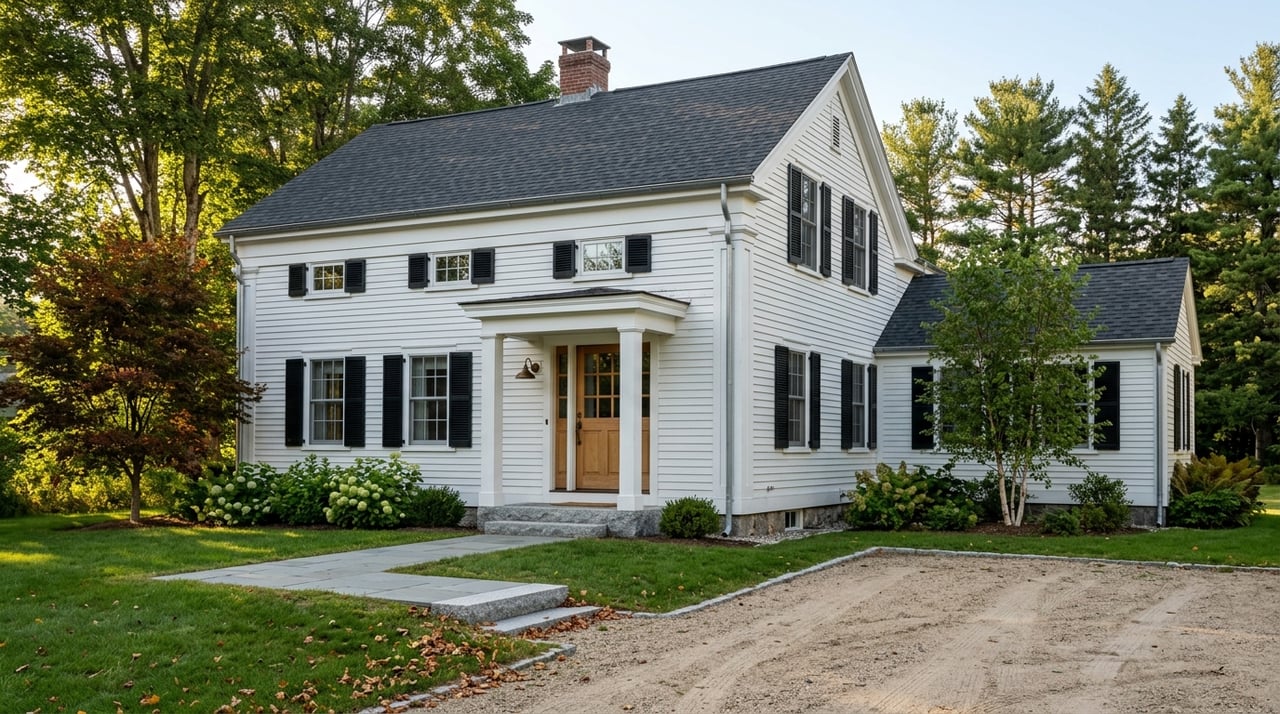
That history still shapes how the area looks and feels today. Kennebunk says its historic district was created in 1963 and describes it as the oldest historic district in Maine. If you enjoy preserved streetscapes, older architecture, and a sense of continuity, that heritage is part of everyday life here.
For homeowners, historic character can also come with practical considerations. The town notes that properties in the Historic Preservation Overlay District may require design review for exterior changes. If you are buying in one of these areas, it is wise to understand how preservation rules may affect future plans.
Beaches Shape the Local Routine
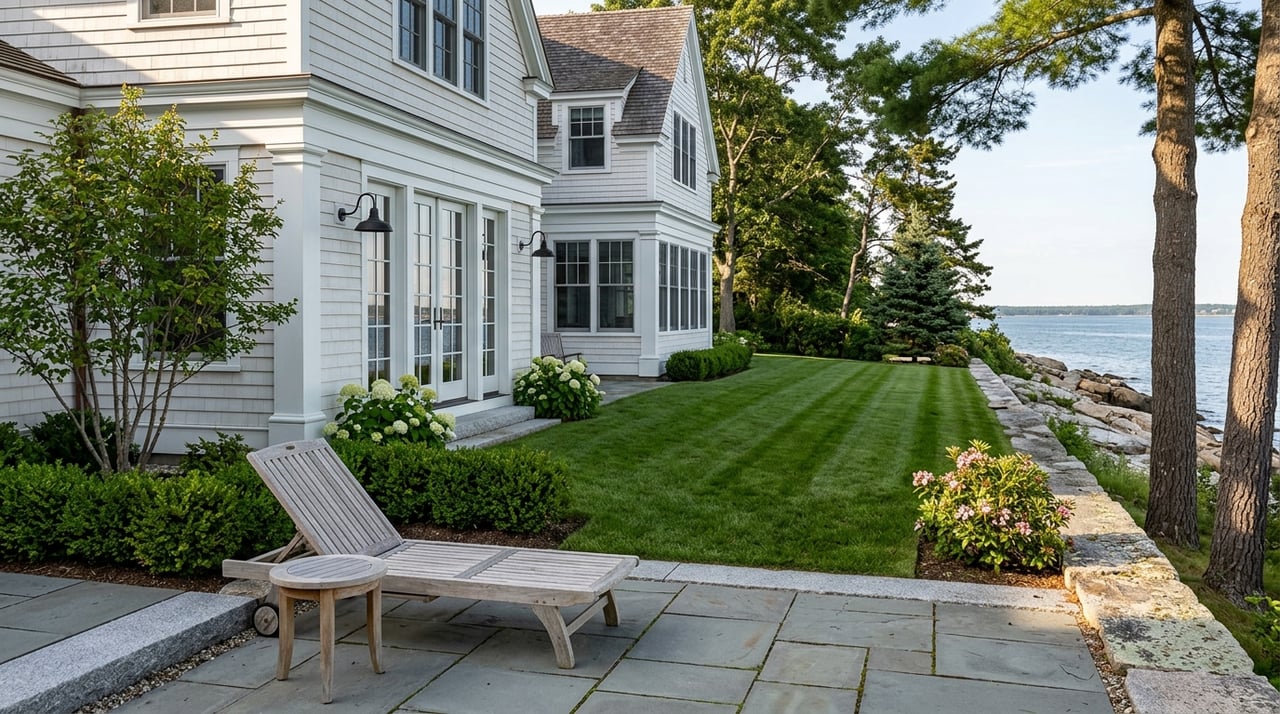
In Kennebunk, the beaches are not just scenic destinations. They are part of the weekly rhythm for many residents, especially from late spring through early fall. Gooch’s Beach, Middle Beach, Mother’s Beach, and part of Parsons Beach create a shoreline network that supports walking, jogging, surf access, and time outdoors.
One detail that says a lot about daily life is how these beaches connect. They sit along Beach Avenue off Routes 9 and 35 and are linked by sidewalks, which makes it easy to move between them on foot. That kind of layout supports simple routines like morning walks, evening strolls, and quick beach stops.
Summer brings more structure to beach access. Beach parking passes are required from June 15 through September 15, so parking becomes part of the seasonal routine. If you plan to spend a lot of time near the shore, this is one of those local details worth knowing early.
Cape Porpoise Keeps a Working-Harbor Feel
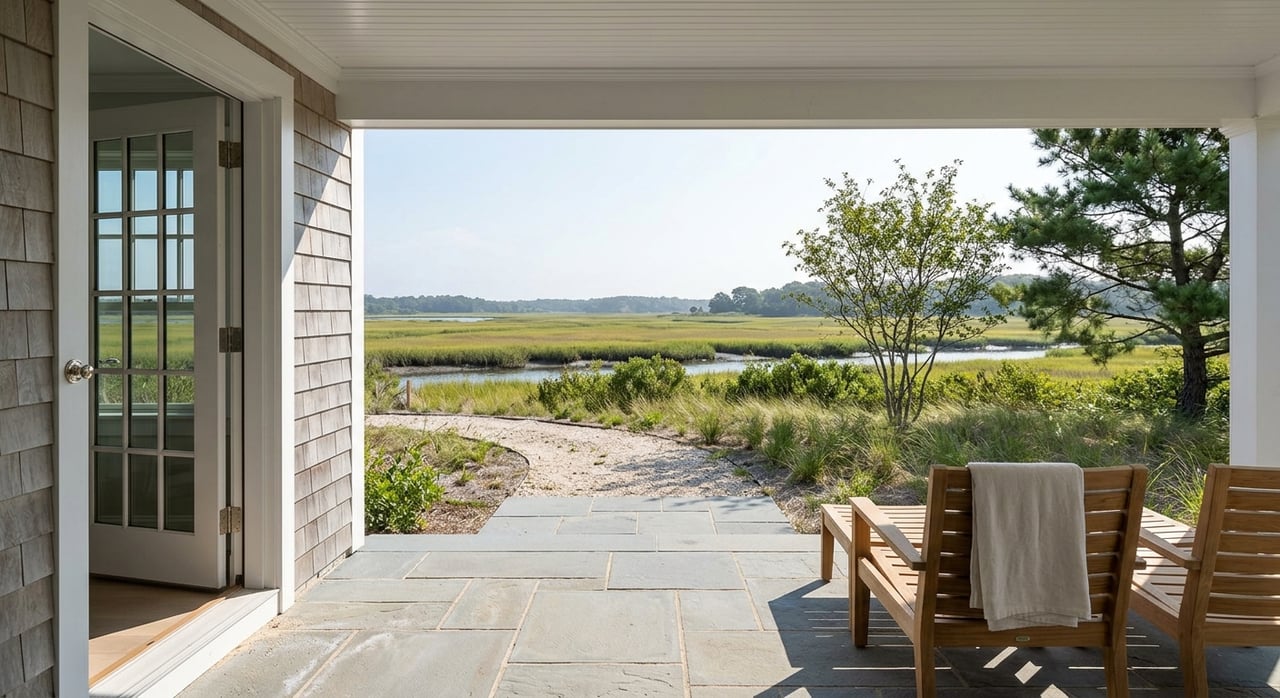
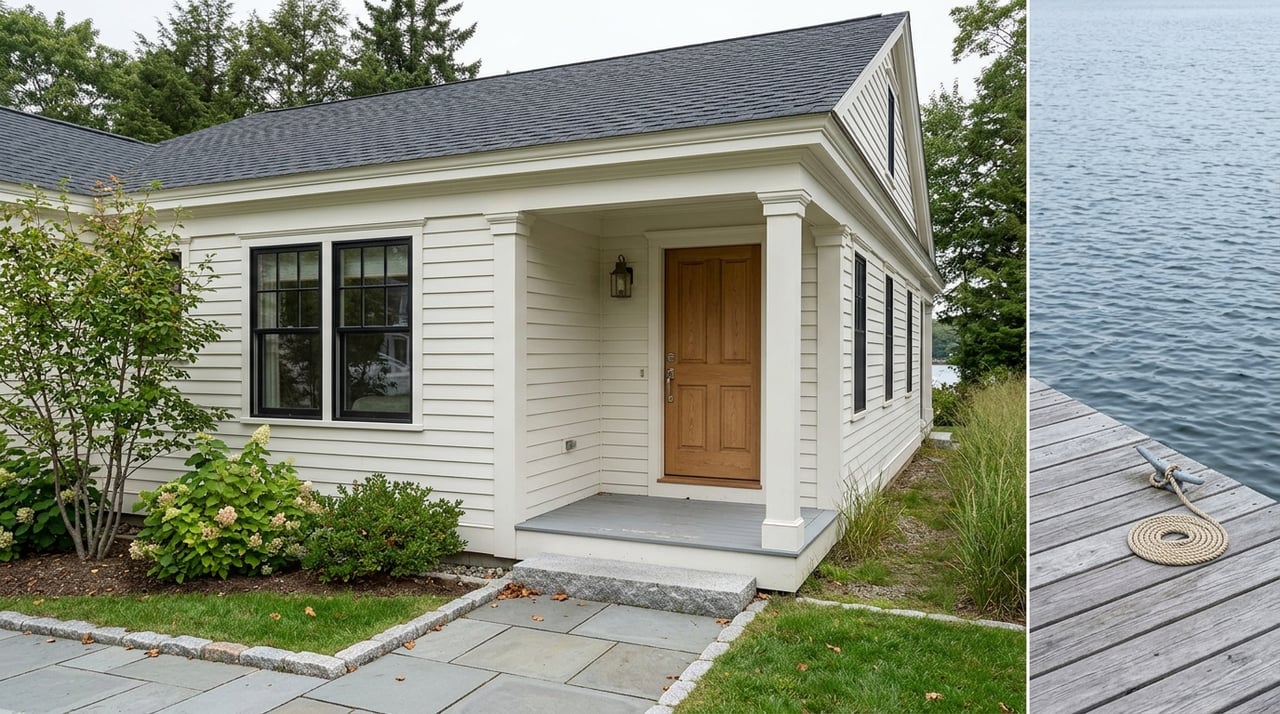
If you are drawn to coastal Maine because you want more than scenery, Cape Porpoise adds another dimension. It is still a working harbor, not just a beautiful backdrop. That gives this part of the Kennebunks a distinctly maritime character that remains active in daily life.
According to the state, the causeway project in Kennebunkport preserved access to the town’s only commercial pier, which was used by more than 50 commercial fishing vessels. The Maine Department of Marine Resources also describes Cape Porpoise Pier as an active shore-fishing site with limited parking. That combination tells you a lot about the area: it is functional, local, and still tied to the water in a real way.
Goat Island Lighthouse remains one of the harbor’s best-known landmarks. The harbor also includes protected islands, according to the Kennebunkport Conservation Trust. For residents, that means everyday views often include a blend of working waterfront activity, conservation land, and traditional coastal landmarks.
Dock Square, Lower Village, and Downtown Kennebunk
Daily life in the Kennebunks often centers on a few compact, walkable commercial areas. Dock Square, Lower Village, and downtown Kennebunk are where shopping, dining, galleries, and casual errands tend to overlap. These are the places where residents and visitors share the same streets, especially in warmer months.
That overlap is part of the local lifestyle. The Lower Village brochure notes that the area remains popular for its shops, inns, restaurants, and businesses. In other words, the village core is not separated into a tourist zone and a resident zone. It functions as both.
The area is also easy to explore in different ways. Visitor materials note that the Kennebunks can be explored by bike, foot, car, or trolley. For many buyers, that mobility adds to the appeal because it creates options for a more connected, less car-dependent day.
The Social Calendar Extends Beyond Summer
One of the most common questions buyers ask is whether the area quiets down too much after peak season. The answer is that the pace changes, but community life does not disappear. The calendar still has recognizable anchors beyond summer.
The Lower Village brochure points to the Fine Living Festival in early June and Christmas Prelude in early December, including Dock Square tree lighting and holiday events. Those seasonal traditions help keep the village centers active at different points in the year. They also reinforce the fact that this is a community with year-round patterns, not just a summer destination.
Kennebunk’s Museum in the Streets adds another layer to everyday life. The town placed 25 panels around Kennebunk for self-guided history walks, encouraging people to explore on foot. If you value places that reward repeat walks and local discovery, that can become a meaningful part of your routine.
What Summer Really Feels Like
Summer in the Kennebunks brings energy, activity, and more people sharing the same coastal spaces. That can be a major part of the appeal if you enjoy a lively atmosphere near beaches, harbors, and village shops. At the same time, it helps to understand the practical side of the season.
The town’s short-term-rental guidance reminds guests they are staying in a residential community and sets quiet hours of 10 p.m. to 7 a.m. on weekdays and 10 p.m. to 9 a.m. on Sundays. That guidance reflects a local effort to balance visitor activity with neighborhood life. It also signals that residential character still matters here.
Parking is one of the most visible seasonal pressure points. Beach passes are required in summer, and Cape Porpoise Pier has limited parking. If you are considering a home near these high-interest areas, that kind of day-to-day convenience factor is worth weighing alongside the lifestyle benefits.
Housing Values Vary by Micro-Location
The Kennebunks are not a one-price market, and everyday life can look different depending on exactly where you buy. Coastal proximity, harbor access, village walkability, and property type can all influence value and pace of sales. That is why broad county numbers only tell part of the story.
Maine’s March 2026 economic indicators put York County’s median sale price at $525,000, up 5.0% year over year. In Redfin’s March 2026 snapshots, Kennebunk’s median sale price was $485,000 with homes averaging 122 days on market. Kennebunkport’s median sale price was $1.09 million with homes averaging 64.5 days on market.
Those figures suggest that coastal micro-locations can behave very differently from the broader county market. For buyers, that means it is important to compare village areas carefully rather than treating the Kennebunks as one uniform market. For sellers, it reinforces the value of location-specific pricing and positioning.
Why Lifestyle and Property Match Matters
The best fit in the Kennebunks often comes down to how you want to spend your days. Some buyers want beach access and walkable routines. Others want a quieter harbor setting, a historically rooted village feel, or a home base that still feels connected in the off-season.
That is why local context matters so much here. A property near the beach may offer a very different daily experience from one closer to Lower Village or a harbor area like Cape Porpoise. Even within a small geography, the lifestyle differences can be meaningful.
If you are buying or selling in this part of southern Maine, it helps to work with someone who understands not just values, but how each micro-location lives on an ordinary Tuesday in February or a busy Saturday in July. For tailored guidance on the Kennebunks and other coastal Maine markets, connect with Linda MacDonald.
FAQs
What is everyday life in Kennebunk like outside summer?
- Kennebunk is described by the town as a year-round destination, and community life continues beyond summer with local events, walkable village areas, and self-guided history experiences such as Museum in the Streets.
What beaches are part of daily life in Kennebunk?
- Kennebunk’s beach areas include Gooch’s Beach, Middle Beach, Mother’s Beach, and part of Parsons Beach, with sidewalks along Beach Avenue that support walking, jogging, and regular shore access.
What is Cape Porpoise like for full-time or seasonal residents?
- Cape Porpoise offers a scenic harbor setting with real working-waterfront activity, including access to Kennebunkport’s only commercial pier, active shore fishing, and views of Goat Island Lighthouse.
What are the main village centers in the Kennebunks?
- Dock Square, Lower Village, and downtown Kennebunk are the main social and commercial hubs, with shops, dining, galleries, and everyday services in compact, walkable areas.
What should homebuyers know about summer logistics in Kennebunk?
- Summer often brings more visitors, and practical details matter, especially beach parking passes from June 15 to September 15 and limited parking at places like Cape Porpoise Pier.
How do home prices compare in Kennebunk and Kennebunkport?
- In March 2026 snapshots, Kennebunk had a median sale price of $485,000 and Kennebunkport had a median sale price of $1.09 million, showing how much pricing can vary by micro-location and coastal setting.