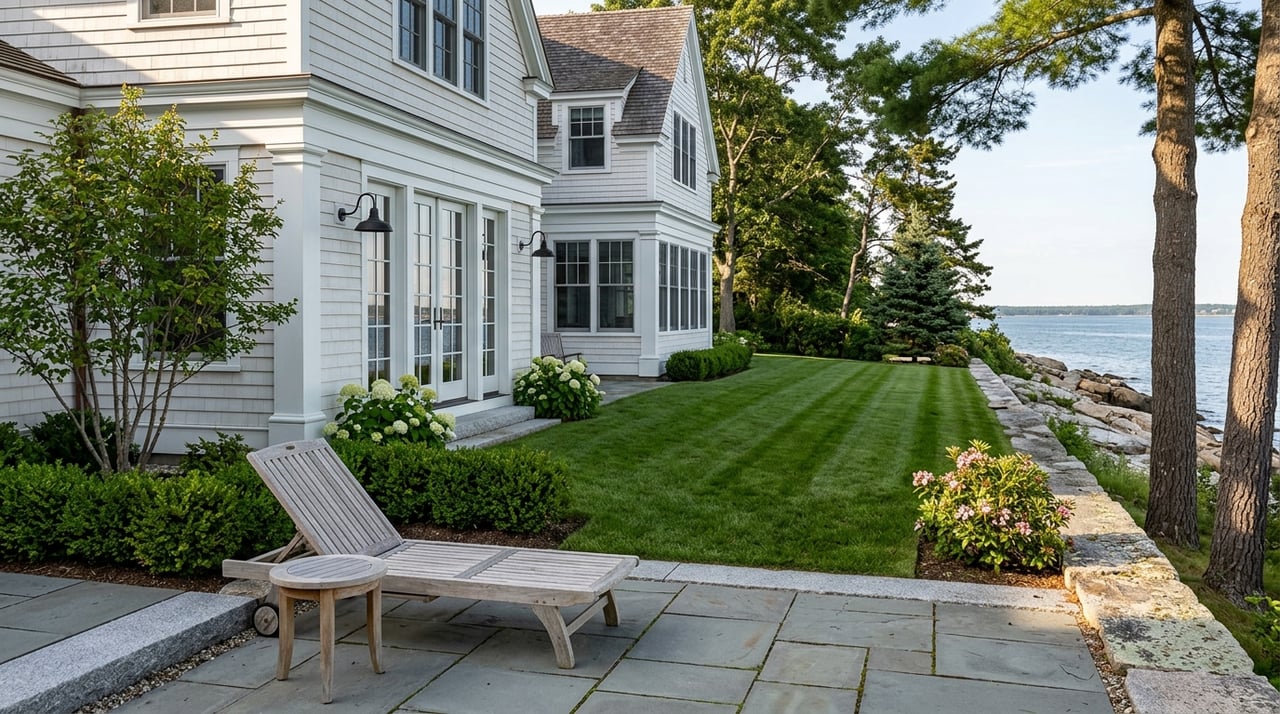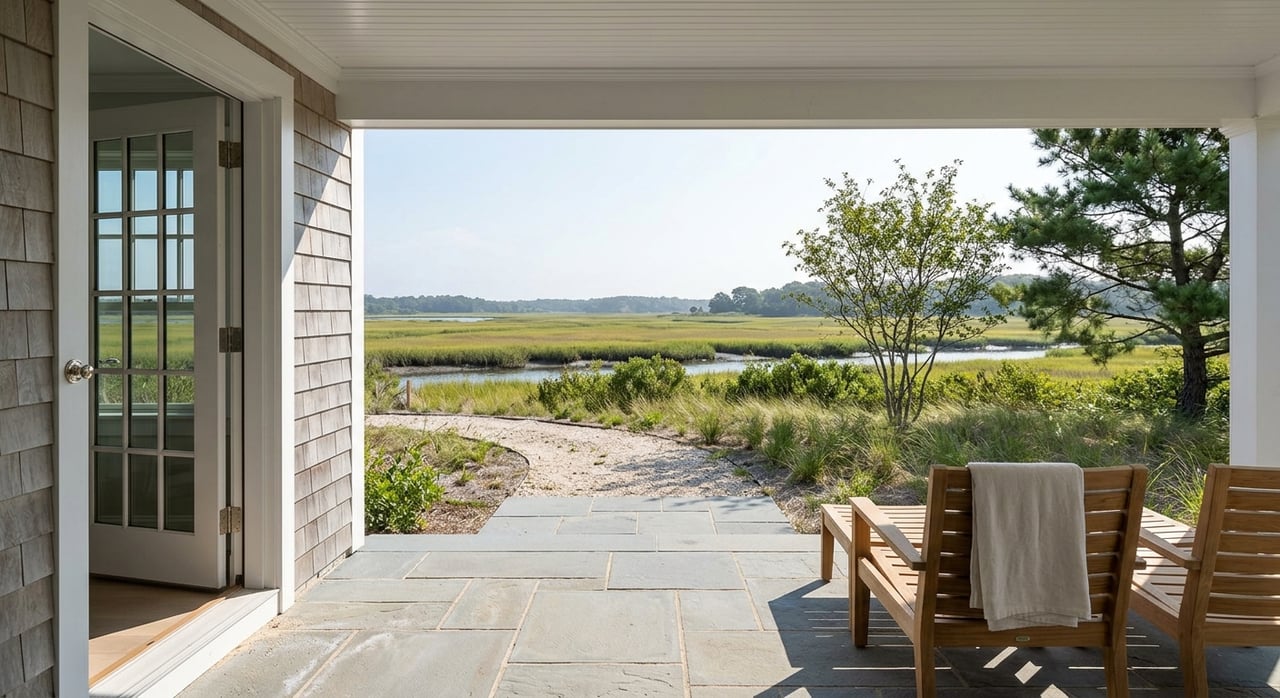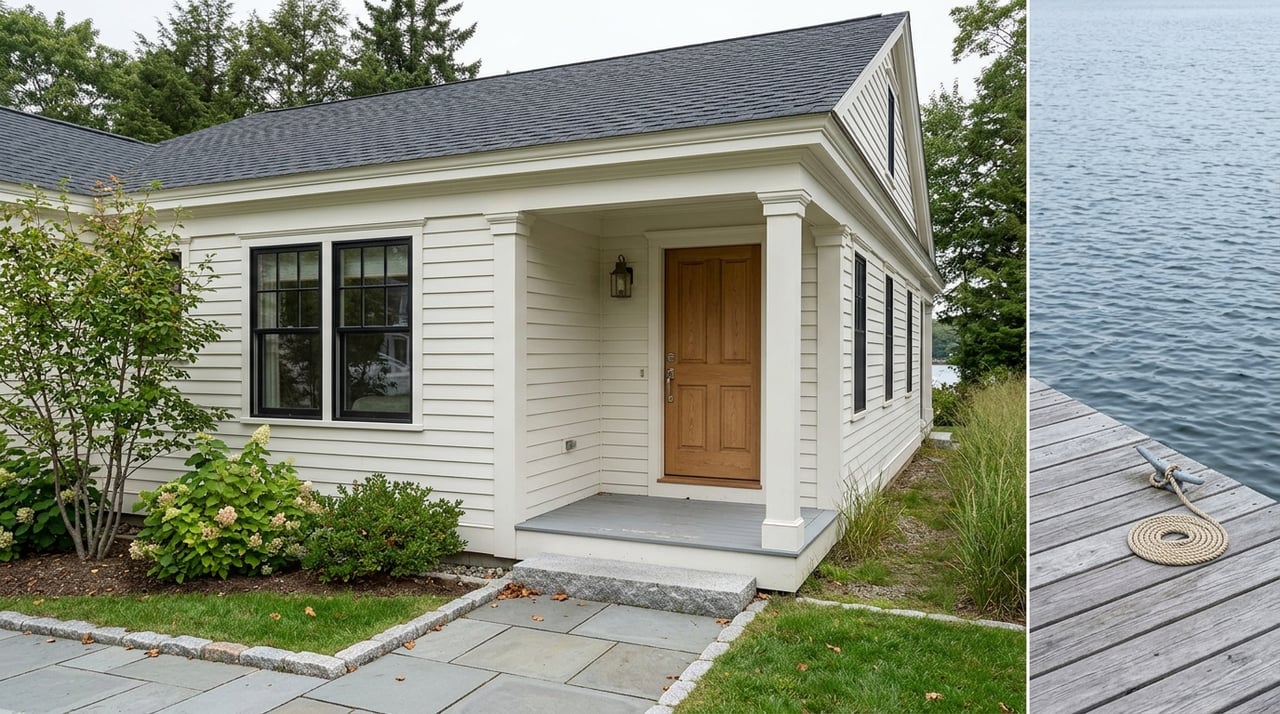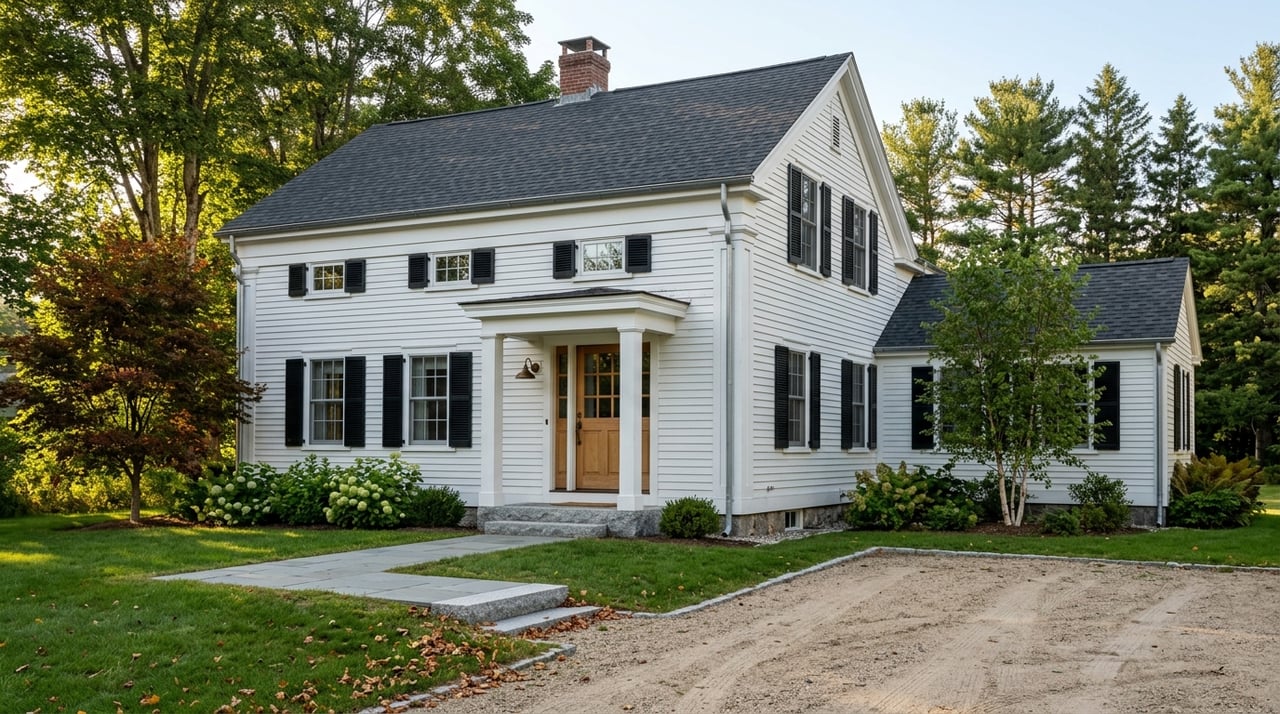
Thinking about a move to Falmouth Foreside or another Casco Bay community? You are not alone. Many buyers are drawn to this stretch of coastal Maine for its access to Portland, established residential feel, and waterfront lifestyle, but relocating here takes more planning than people expect. In this guide, you will get a clear picture of what living in Falmouth looks like, how the housing options differ from coast to inland, and what to line up before you move. Let’s dive in.
Why Falmouth draws relocating buyers
Falmouth sits directly next to Portland and plays an important role in the Greater Portland area. The town’s comprehensive plan describes Falmouth as a prominent Portland suburb, with Route 1 serving as a key commuter corridor. It also notes that more people commute into Falmouth for work than out of it, which shows that the town functions as both a residential setting and an employment center.
For many relocating buyers, that balance is a big part of the appeal. You can stay connected to Portland while living in a community with a lower-density feel and a strong coastal identity. Falmouth is also small by design, with a 2025 population of 12,982, which helps explain why inventory can feel limited when the right home comes to market.
The town’s land-use pattern also shapes daily life. Nearly 40% of Falmouth’s land is residential, nearly 90% of that residential land area is single-family, and nearly 30% of the town is conservation, recreation, or open space. In practical terms, that means you will find an established residential environment with meaningful preserved land and a layout that feels less crowded than more urban parts of the region.
What Falmouth Foreside feels like
Falmouth Foreside is one of the best-known parts of town for buyers who want to be close to Casco Bay. East of I-295, including the Foreside, the town has planned for infill growth, which means this side of Falmouth includes some of its most sought-after coastal and water-oriented addresses. If you are prioritizing bay access, views, or proximity to marinas and clubs, this is often where your search begins.
The waterfront identity here is not just a marketing phrase. Falmouth’s comprehensive plan points to Town Landing, Handy Boat Marina, The Dockside Grill, Portland Yacht Club, and Portland Country Club as key waterfront assets. Town Landing is especially important because it is the town’s primary public access point to Casco Bay and the largest recreational anchorage and mooring field north of Marblehead, Massachusetts.
That access shapes the lifestyle many buyers are after. Portland Yacht Club is located in Falmouth, and Portland Country Club describes itself as a private golf and country club in Falmouth Foreside with Casco Bay views. Buyers who want boating, golf, tennis, dining, or a more club-oriented routine often focus on this area for exactly those reasons.
Comparing coastal and inland options
One of the most helpful parts of relocating to Falmouth is understanding that not every part of town offers the same housing experience. Buyers sometimes start with a general idea of “Falmouth,” then realize they need to narrow their search based on commute, lot size, age of housing, and access to the water. That is especially true if you are balancing lifestyle goals with inventory and budget.
Foreside and east-of-295 homes
If you are looking east of I-295, you will generally be focused on the more coastal side of town. This area tends to appeal to buyers who want proximity to Casco Bay, marinas, and established waterfront or near-water neighborhoods. Housing choices can be narrower here, especially if you are looking for a specific combination of water access, views, and updated condition.
West Falmouth and inland neighborhoods
West of I-95, the comprehensive plan designates much of the town as rural residential for low-density development. The plan also notes that most new non-senior residential development has continued in West Falmouth, including projects such as Homestead Farms and Clover Way, both completed in 2022. For relocating buyers, that can mean more opportunities to find newer homes, subdivision living, or condo-style options compared with the more established coastal sections.
Choosing the right fit
If your top priority is a coastal Maine lifestyle, the Foreside and nearby Casco Bay-oriented areas may feel like the strongest match. If you want newer construction, a lower-density inland setting, or more flexibility in home style, West Falmouth may offer more options. The right choice often comes down to how you rank water access, commute patterns, and the kind of home you want to live in day to day.
Schools and move timing
For families relocating to Falmouth, school logistics are often part of the moving timeline from the very start. Falmouth Public Schools operates three main public schools on Woodville Road: Falmouth Elementary School, Falmouth Middle School, and Falmouth High School. That campus-based structure can simplify daily routines because school locations are concentrated in one part of town.
Falmouth High School reports about 670 students in grades 9 through 12. The school is accredited by the New England Association of Schools and Colleges and the Maine Department of Education, and it offers 19 AP courses, dual-enrollment options through Southern Maine Community College, and early-college opportunities through the University of Maine System. For relocating households, those details offer a more practical picture of available programs than broad ranking language.
Timing matters here. Falmouth Public Schools requires two proof-of-residency documents before a student can start classes, and registration is handled online through PowerSchool. If you are moving during the school year, it is wise to build that paperwork into your closing or lease schedule so your transition goes more smoothly.
Understanding the Falmouth market
Falmouth is a premium market by Maine standards, and current pricing reflects that. Census data shows a median household income of $150,919 and a median value of owner-occupied housing of $767,500. More recent market snapshots point even higher, with Redfin reporting a median sale price of $950,000 in March 2026 and Realtor.com showing a median listing price of $1.0935 million in March 2026.
Just as important, inventory is limited. Realtor.com reported 46 homes for sale and only 9 rentals in its March 2026 local market snapshot. Homes were spending about 44 to 47 days on market, with a 98% sale-to-list price ratio, which suggests a market that is not chaotic but still competitive enough that preparation matters.
For you as a relocating buyer, that means last-minute planning can be risky. If you want a very specific property type, such as a waterfront home, a Foreside address, or a home close to clubs and bay access, your choices may be narrower than expected. Buyers who stay open to inland neighborhoods, newer subdivisions, or condo-style living may have a broader search field.
Three timelines to manage
Many relocation moves to Falmouth involve three timelines at once: financing, housing search, and school or household logistics. When those timelines are not aligned, stress tends to rise quickly. A smoother move usually starts with getting organized before you begin touring seriously.
Mortgage readiness
A preapproval letter can help you shop for a home with more clarity. It can also help you move faster when the right property appears. In a market with limited inventory and high price points, that early preparation gives you a stronger starting position.
School paperwork
If children will be enrolling in Falmouth Public Schools, proof of residency is not something to leave until the last week. You will need two residency documents before classes can begin. For mid-year moves especially, this detail can affect whether you close, rent first, or build in extra time.
Housing availability
Because rental inventory is small, renting first can be harder than many out-of-state buyers assume. At the same time, a short-term or bridge rental may still be a useful strategy if you need time to house hunt carefully or line up school timing. The key is to think through that option early, not after your moving date is already fixed.
Waterfront ownership takes extra diligence
Waterfront living is part of what makes this area so appealing, but it also comes with added questions. Falmouth’s comprehensive plan specifically references storm impacts, coastal erosion, and climate-resilience work around Town Landing. It also notes that coastal properties are subject to shoreland zoning.
That does not mean waterfront ownership is less desirable. It means you should expect more property-specific diligence during your search. Access, site conditions, maintenance needs, and long-term considerations can all matter more when you are buying on or near the coast.
How to relocate with confidence
The best Falmouth moves usually begin with a clear picture of your priorities. If you know you want bay access, club proximity, or a Foreside location, it helps to start early and stay realistic about available inventory. If your priorities lean more toward newer housing, easier maintenance, or a little more flexibility in home style, inland options may open up more possibilities.
A successful relocation here is rarely just about finding a house. It is about matching your daily life to the right part of town, keeping your timelines aligned, and knowing where you may need extra diligence along the way. With the right guidance, that process can feel far more focused and far less overwhelming.
If you are planning a move to Falmouth Foreside or another Casco Bay community, Linda MacDonald offers the local insight and attentive guidance that can help you navigate the process with confidence.
FAQs
What is Falmouth, Maine like for relocating buyers?
- Falmouth is a coastal community next to Portland with an established residential feel, significant open space, and a mix of waterfront, inland, and newer neighborhood housing options.
What makes Falmouth Foreside different from inland Falmouth?
- Falmouth Foreside is more closely tied to Casco Bay access, marinas, and club-oriented coastal living, while inland areas may offer lower-density settings, newer development, and different home styles.
What should families know about Falmouth school enrollment?
- Falmouth Public Schools requires two proof-of-residency documents before a student can begin classes, so families should build enrollment paperwork into their moving timeline.
How competitive is the Falmouth housing market?
- Recent market snapshots show high home values, limited inventory, and homes selling in roughly 44 to 47 days, which makes early planning important for relocating buyers.
Is renting first in Falmouth a good relocation strategy?
- It can be, but rental inventory is limited, so buyers who want a temporary rental or bridge lease should plan well in advance.
What should buyers know about Falmouth waterfront homes?
- Waterfront properties may require added diligence because the town notes storm impacts, coastal erosion considerations, and shoreland zoning in coastal areas.