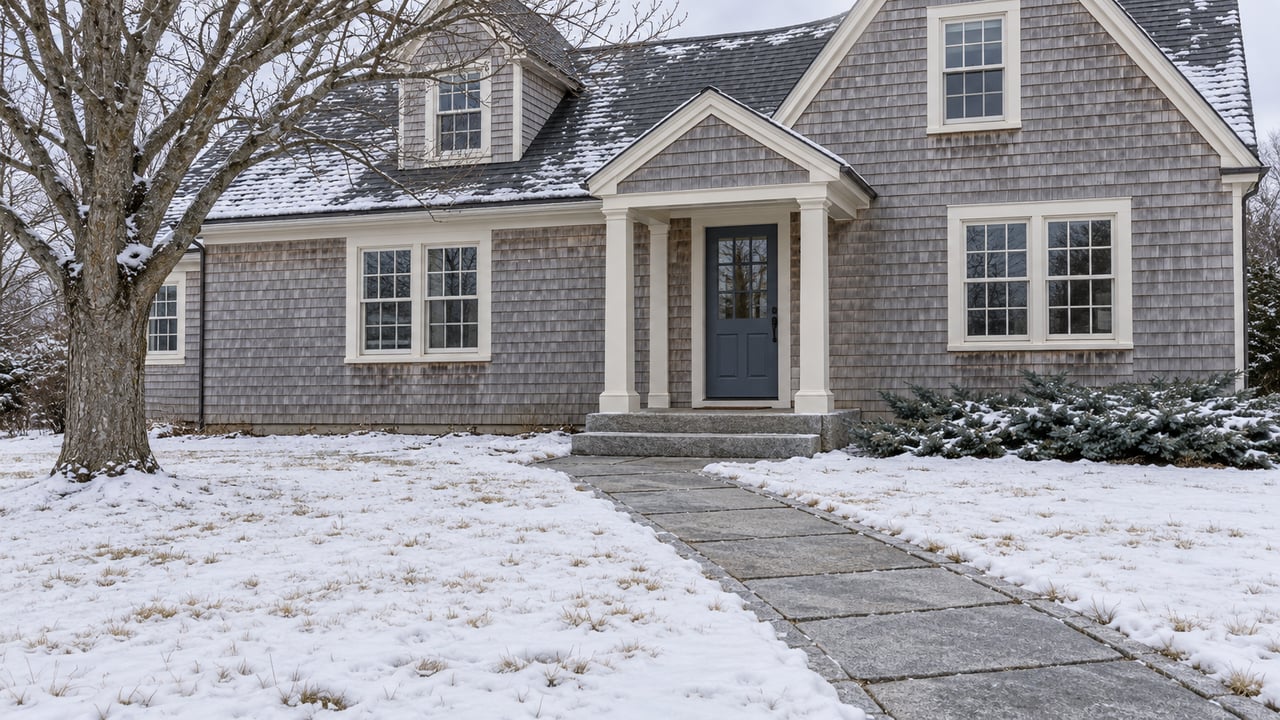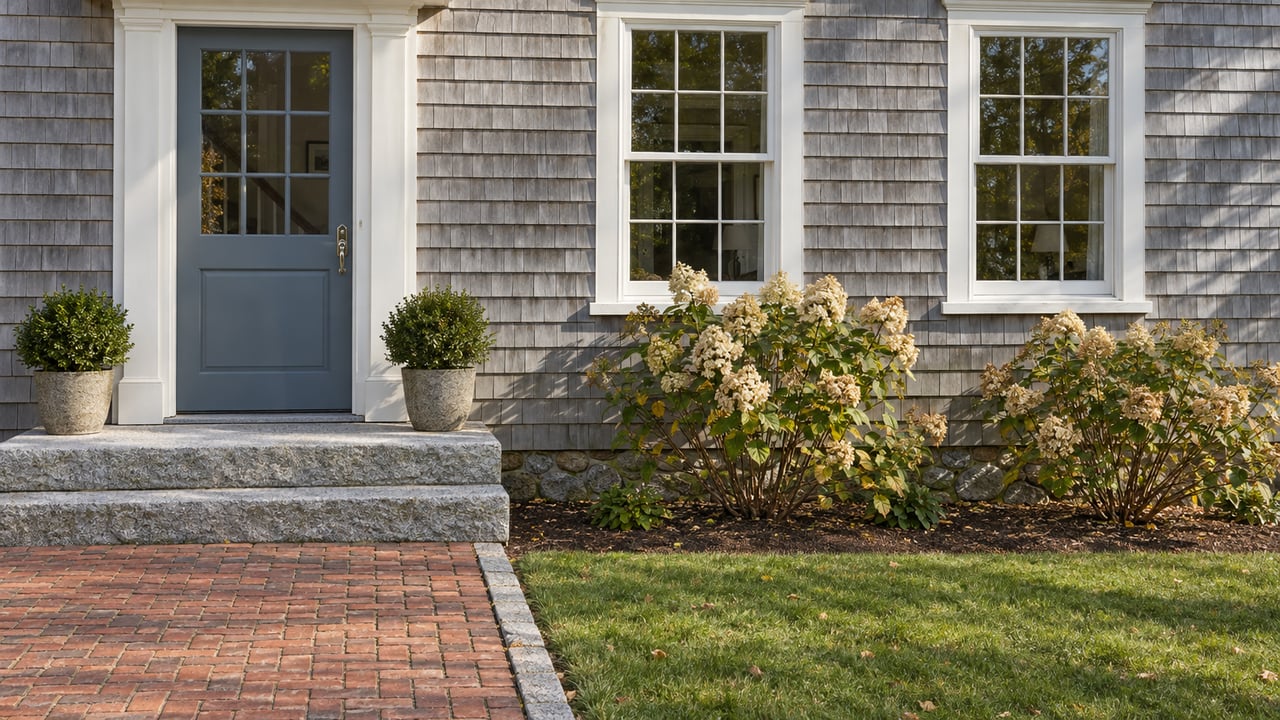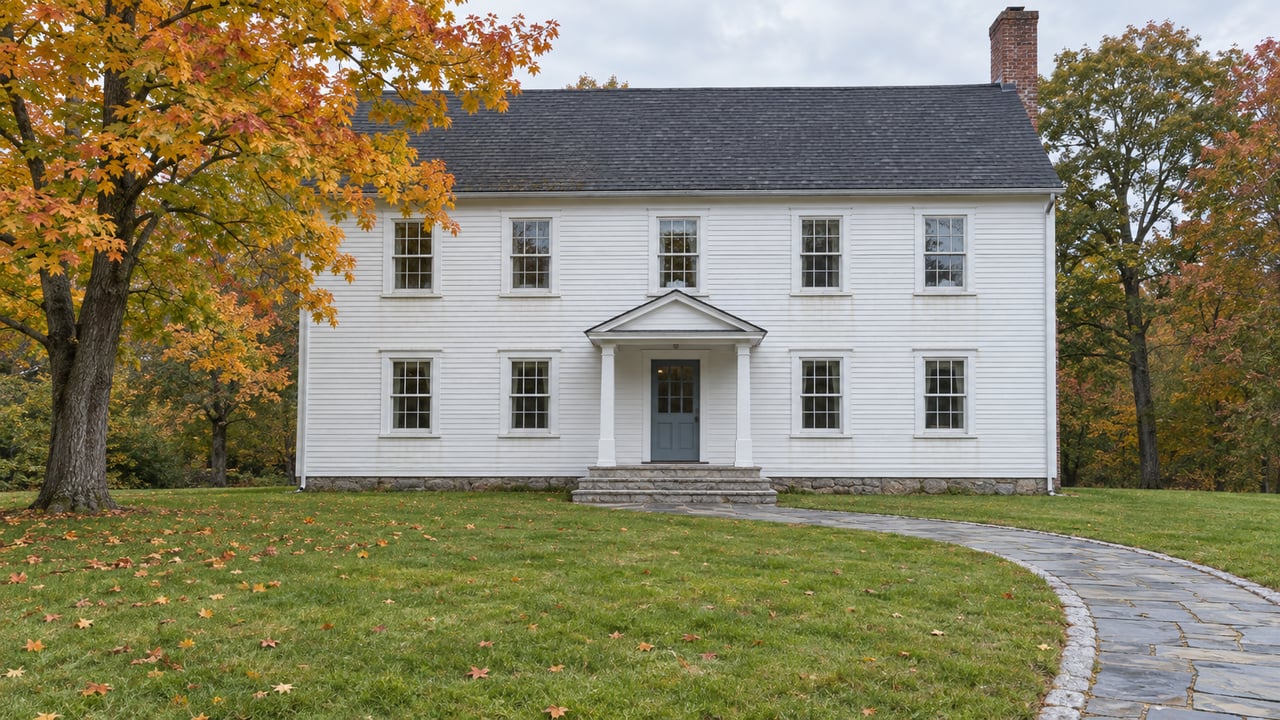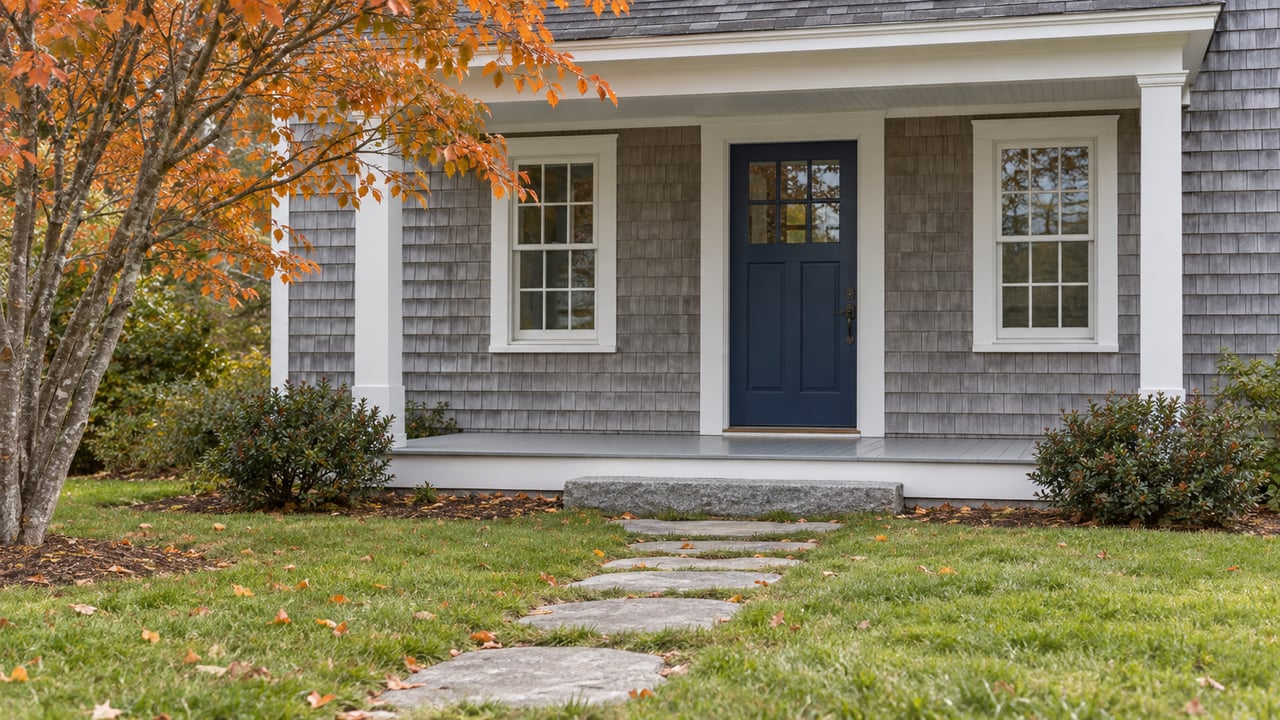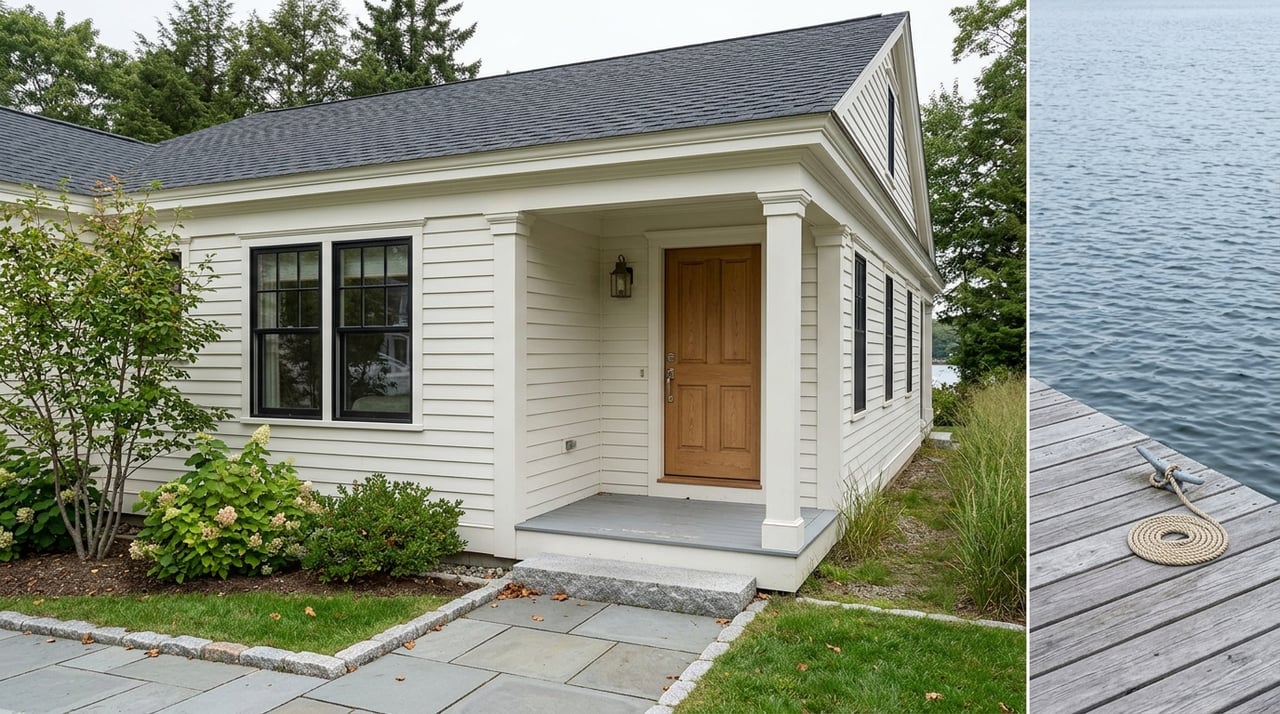
If you are drawn to Yarmouth, you may already know the real decision is not just whether to buy a house. It is whether you want your days shaped by Main Street convenience or by the rhythm of the harbor. Both offer a distinct version of Yarmouth living, and understanding the difference can help you choose with more confidence. Let’s dive in.
How Yarmouth frames these areas
In official town planning, this is less about two formally named neighborhoods and more about two distinct settings. The village side centers around Main Street, Town Hall, Merrill Memorial Library, and North Yarmouth Academy. The harbor side is tied to the waterfront, Town Landing, Madeleine Point, Cousins Island, Littlejohn Island, and other marine access points.
That distinction matters because it reflects how Yarmouth is organized in real life. One area is oriented around a compact, mixed-use center. The other is shaped by shoreline, islands, and access to the water.
Yarmouth itself is a relatively small community, with an estimated population of 9,062 in 2025. Census data also shows an owner-occupied housing rate of 80.4% and a median owner-occupied home value of $639,700 in 2020 to 2024 data, which helps frame the market as one where ownership is a major part of the town’s housing picture.
Village living in Yarmouth
What the village feels like
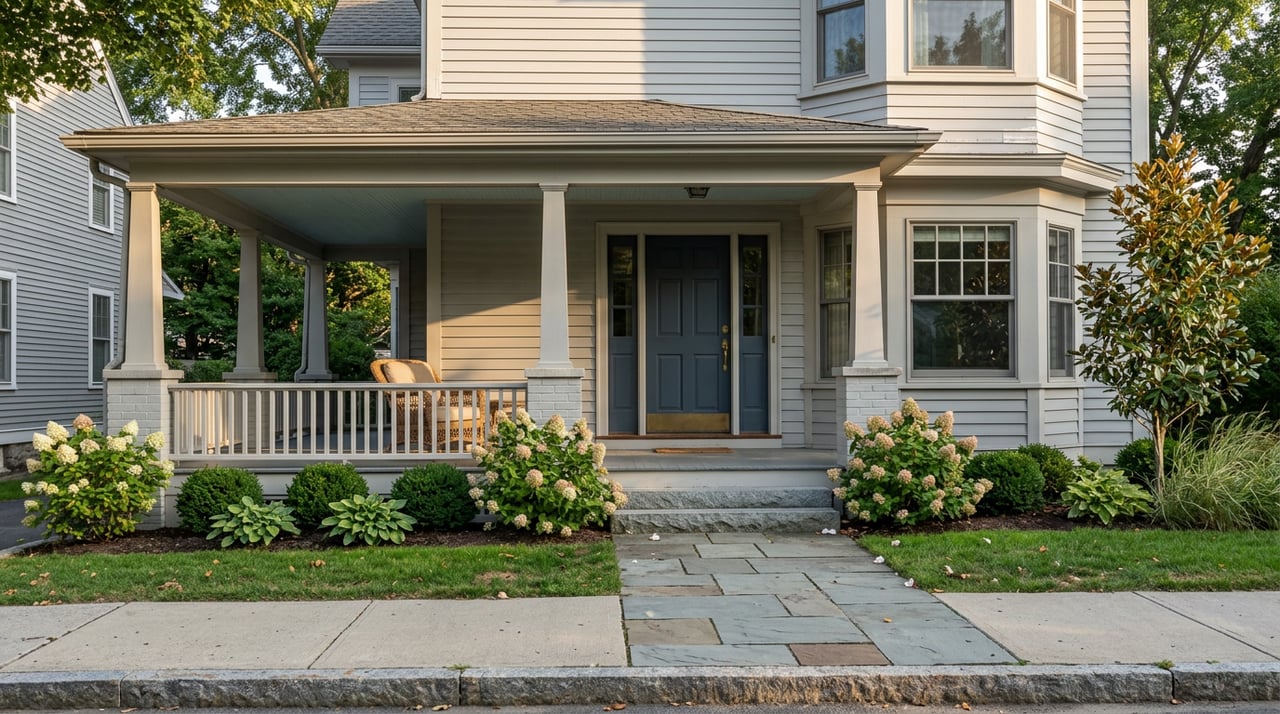
Yarmouth’s Village Center is described by the town as a medium-density, mixed-use area. You will find residential, retail, office, and other commercial uses, along with sidewalks, curbs, street trees, and relatively small to medium blocks. That setup supports a walkable, active streetscape.
For many buyers, the appeal is simple. You can picture a day where errands, coffee, the library, or a stroll along Main Street fit naturally into your routine. The physical layout supports that kind of lifestyle in a way that feels convenient and connected.
Homes and architecture in the village
The village core is also closely tied to Yarmouth’s historic character. A 2018 reconnaissance survey covered 547 properties and 773 structures, with most identified as mid-19th-century wood-frame single-family homes. The town also identifies local historic districts in the Upper Village, Lower Village, and Royal River Manufacturing areas.
In practical terms, village homes often offer character, age, and proximity. Houses may sit closer together than homes near the shoreline, and the setting itself becomes part of the value. If you love older homes, established streetscapes, and in-town access, the village may feel like a natural fit.
What daily life can look like
Town planning documents connect the village center to walking, bicycling, and transit-friendly planning. Parking management and safe pedestrian connections are part of the conversation because this area is meant to support movement beyond just driving.
That does not mean every trip is on foot, but it does suggest a more car-light routine. If you value being able to move through your day with fewer long drives and more nearby destinations, village living may line up well with your priorities.
Harbor living in Yarmouth
What the harbor side feels like
On the harbor side, the tone changes. Yarmouth’s comprehensive plan describes the coastal and island areas, including most of Cousins Island, as largely residential suburban development that transitions into open space and coastal resources. Commercial activity is limited mainly to waterfront-related uses.
This is a different kind of setting from the village center. Instead of mixed-use energy and tighter block patterns, you are looking at an environment shaped by shoreline conditions, marine access, and the natural limits of island and coastal land.
Homes and setting near the water
Harbor and island housing comes with its own character. The town notes that Littlejohn Island began as a summer cottage and hotel community, with many homes now used year-round, while Moshier and Little Moshier remain seasonal communities. Cousins Island, connected to the mainland by bridge, also has its own distinct context.
For buyers, this often means homes with a stronger connection to the coast and a setting influenced by water access, lot orientation, and shoreline conditions. Compared with village properties, harbor-area homes may feel more tied to site-specific factors, including adjacency to the shoreline and the practical realities that come with coastal ownership.
Water access and marine routines
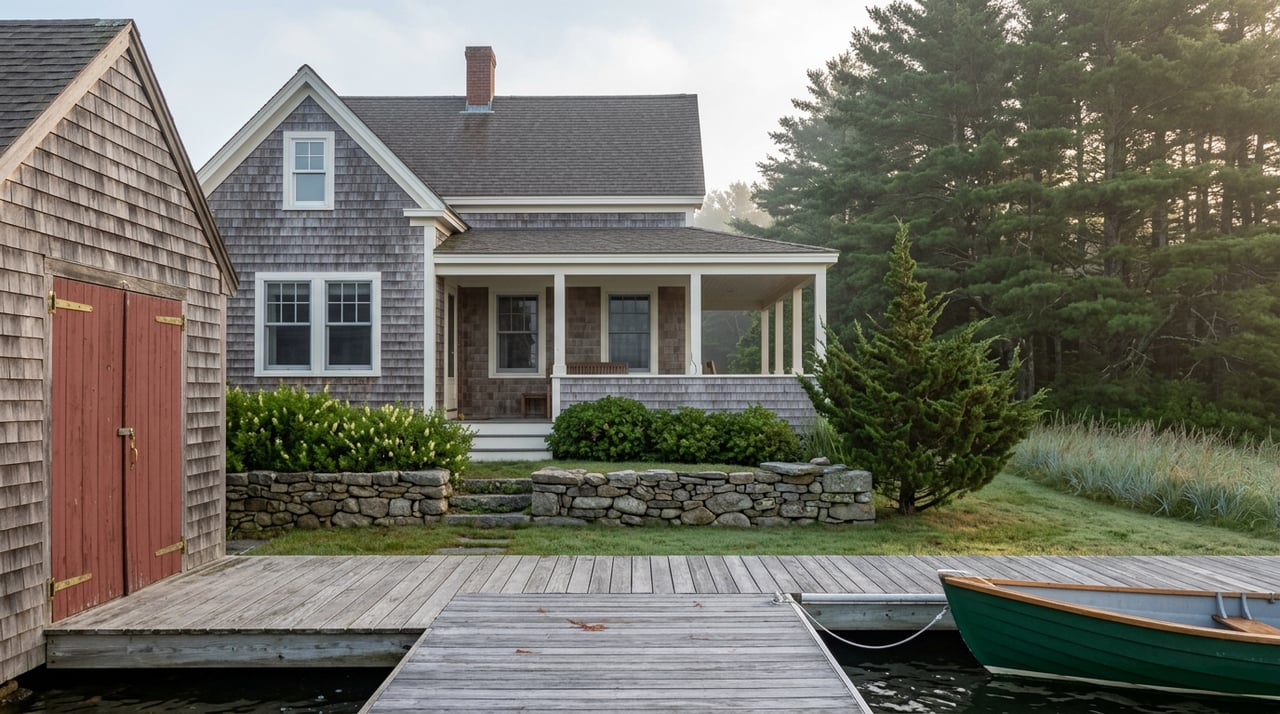
This is where harbor living becomes especially distinctive. Town materials describe Madeleine Point as a popular swimming and small-watercraft launch site with the community’s largest residential mooring access. Littlejohn Dock offers deep-water access, and Town Landing functions as a managed launch facility.
The town also issues seasonal launch and parking passes, including no-cost parking passes for Royal River and Littlejohn Island mooring holders. If boating, kayaking, launching small craft, or planning your day around tides sounds appealing, the harbor side may be the lifestyle match you are looking for.
The biggest lifestyle tradeoff
Convenience versus coastal routine
The real choice is not just historic charm versus water views. According to Yarmouth’s planning framework, the deeper tradeoff is everyday convenience and mixed-use energy versus marine access and shoreline orientation.
The village tends to suit buyers who want a walkable environment and easier access to everyday destinations. The harbor side tends to suit buyers who want boating access, launch facilities, mooring opportunities, and a stronger connection to coastal routines.
Neither option is better in a general sense. They simply support different ways of living in Yarmouth.
A quick side-by-side look
| Feature | Village Center | Harbor and Islands |
|---|---|---|
| General setting | Mixed-use, medium-density | Residential coastal and island setting |
| Housing character | Often older, historic, closer together | More shoreline- and site-oriented |
| Streetscape | Sidewalks, street trees, smaller blocks | Water access points and marine infrastructure |
| Daily routine | Walkability, short trips, in-town errands | Boating, launching, tide awareness |
| Defining lifestyle | Convenience and village energy | Coastal access and marine identity |
What buyers should think about
If you are leaning toward the village
The village may work well for you if your priority is a home that connects easily to everyday life. You may value historic character, a traditional streetscape, and the ability to enjoy parts of town on foot.
This setting can also appeal if you want to feel plugged into the center of town. The mix of residential and commercial uses gives the area an energy that is different from the quieter, more shoreline-driven feel of the harbor side.
If you are leaning toward the harbor
The harbor side may be the better fit if water access is part of your lifestyle, not just a nice view. You may be looking for proximity to launch sites, mooring access, or a home base that feels closely tied to the coast.
It is also important to understand that these areas can come with added layers of consideration. Yarmouth’s planning documents note shoreline and island constraints, along with sea-level-rise, storm, dredging, navigation, and causeway protection concerns in waterfront areas.
Why this choice matters for sellers too
If you are selling in Yarmouth, this village-versus-harbor distinction can shape how your home should be positioned in the market. Buyers looking in the village are often responding to walkability, historic character, and in-town convenience. Buyers looking near the harbor are often focused on marine access, island context, and the coastal lifestyle tied to the property.
That means marketing should do more than list features. It should tell the right location story, show how the property lives day to day, and highlight the setting details that matter most to the likely buyer.
One town, two distinct experiences
What makes Yarmouth appealing is that both of these lifestyles are part of the same community. In fact, the town’s waterfront planning aims to reconnect Yarmouth Village to the working waterfront through cross-harbor pedestrian links, which shows how closely related these places really are.
Even so, they feel different when you picture everyday life. If you want your world centered on Main Street, sidewalks, and nearby destinations, the village may feel right. If you want your routine shaped by launches, moorings, and the harbor’s coastal identity, the waterfront side may be the better match.
If you are weighing a move to Yarmouth or preparing to sell a special in-town or coastal property, Linda MacDonald can help you understand how each setting fits your goals and how to position your next move with confidence.
FAQs
What is the difference between Yarmouth Village and Yarmouth harbor living?
- Yarmouth Village is centered on Main Street and a mixed-use, walkable setting, while harbor living is tied to the waterfront, islands, marine access points, and a more coastal daily routine.
What types of homes are common in Yarmouth Village?
- Town records describe many village-core homes as older wood-frame single-family houses, often with historic character and closer spacing than homes in shoreline areas.
What types of homes are common near the Yarmouth harbor?
- Harbor and island homes are generally shaped more by shoreline and island conditions, with areas like Cousins Island and Littlejohn Island offering a distinct coastal residential setting.
Is Yarmouth Village more walkable than the harbor side?
- Yes. Town planning documents describe the village center as a walkable mixed-use area with sidewalks, street trees, and pedestrian connections.
What should buyers consider about Yarmouth waterfront living?
- Buyers should think about boating access, launch facilities, mooring options, shoreline conditions, and broader coastal considerations noted in town planning, such as storm and sea-level-rise concerns.