If you are thinking about a move in Greater Portland, North Yarmouth may already be on your radar for one simple reason: it offers a quieter pace without feeling cut off. Choosing the right town is about more than home prices or commute times. It is about how you want everyday life to feel. This guide will help you weigh North Yarmouth’s setting, housing character, lifestyle, and trade-offs so you can decide if it fits your next move. Let’s dive in.
North Yarmouth at a Glance
North Yarmouth is a small rural town in Cumberland County, just north of Portland. According to Census Reporter’s ACS 2024 5-year profile, the town has 4,240 residents across 21.2 square miles, with a population density of about 199.8 people per square mile. That lower-density pattern gives the town a more spacious feel than many nearby communities.
The town also reflects an established commuter market. The same ACS profile shows a mean commute time of 27.4 minutes and a median age of 47.4. North Yarmouth notes that many residents work in Greater Portland as well as in town, which helps explain why it appeals to buyers who want breathing room without giving up access to the region.
Daily Life in North Yarmouth
North Yarmouth describes itself as a place where life moves at a slow pace and is enjoyed in a quiet way. If that sounds appealing, the town’s overall character may line up well with what you want. This is not a dense suburban center with constant activity around every corner.
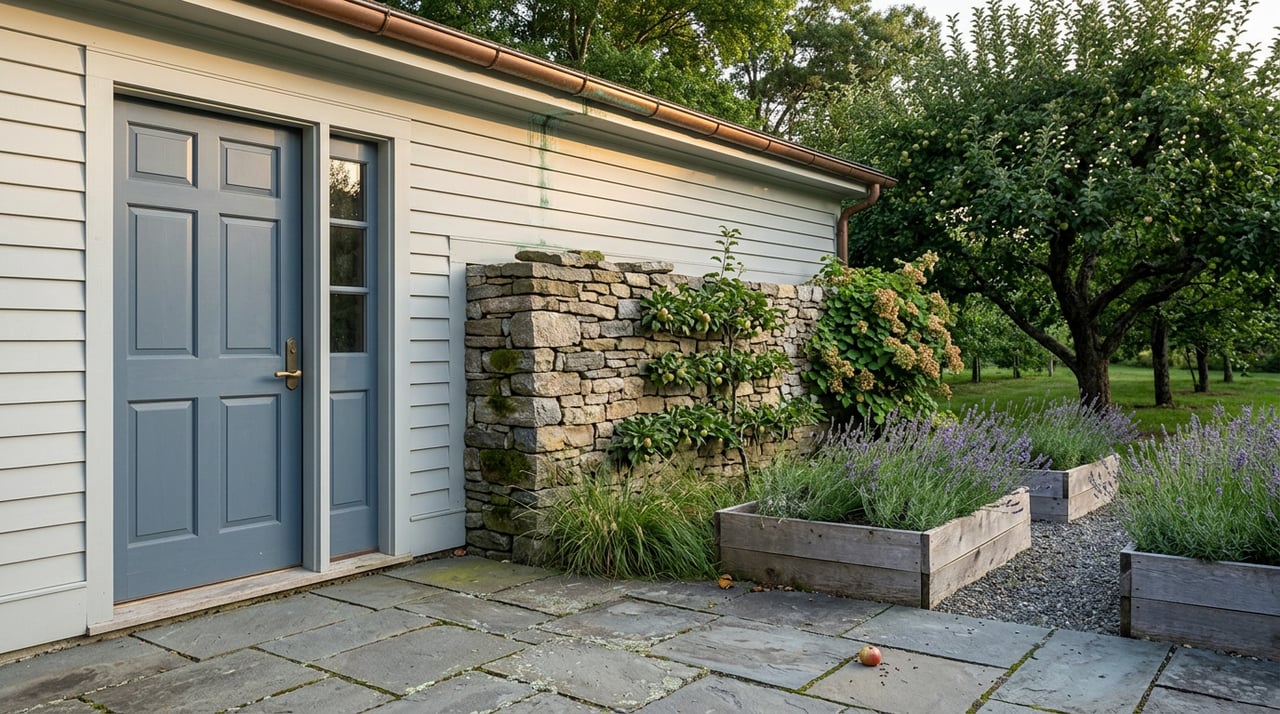
Instead, daily life tends to revolve around open space, local businesses, and a strong connection to the landscape. The town highlights a convenience store, cafes, a brewery, offices, a golf course, Christmas tree farms, orchards, greenhouses, farms, and farm stands. That mix supports a local, small-scale feel rather than a major retail corridor.
Outdoor Access Shapes the Lifestyle
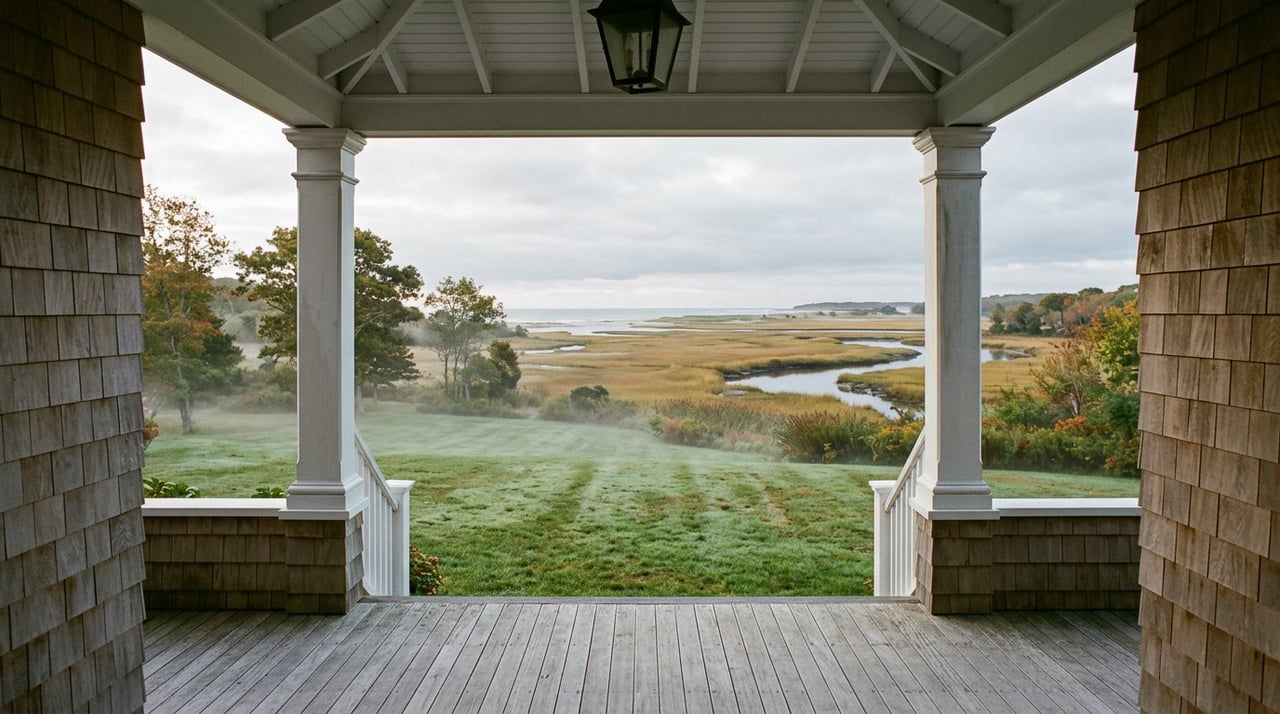
For many buyers, North Yarmouth’s outdoor setting is a major draw. The town says it owns significant land and places high value on recreational use. The Royal River runs through town and is described as a well-used recreation asset.
If you enjoy being outside, there is a lot to notice here. North Yarmouth’s community information cites more than 71 miles of well-kept walking trails and snowmobile trails. Sam Ristich Trails adds a 2-mile network for hiking, snowshoeing, and bird watching.
That kind of access can shape your routine in a real way. You may find that a quick walk, a trail outing, or time near the river becomes part of everyday life. For buyers who value open space more than being close to big shopping districts, that trade can feel worthwhile.
Historic Character Still Stands Out
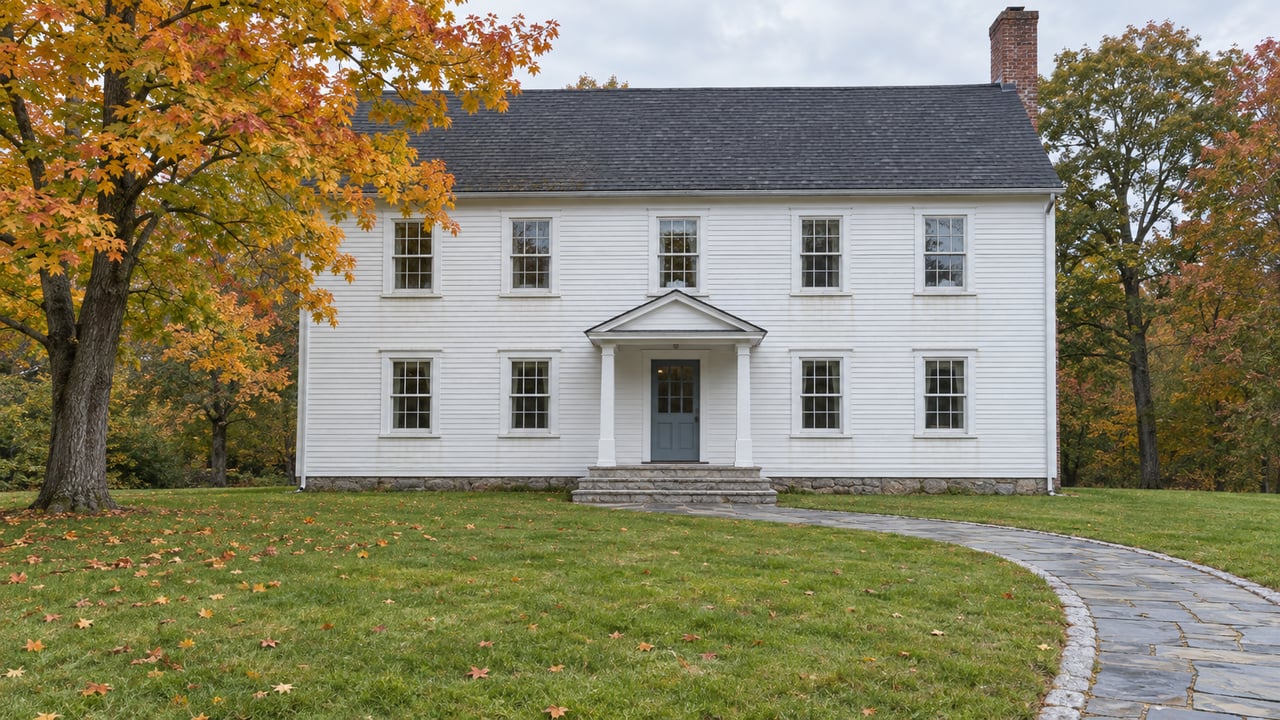
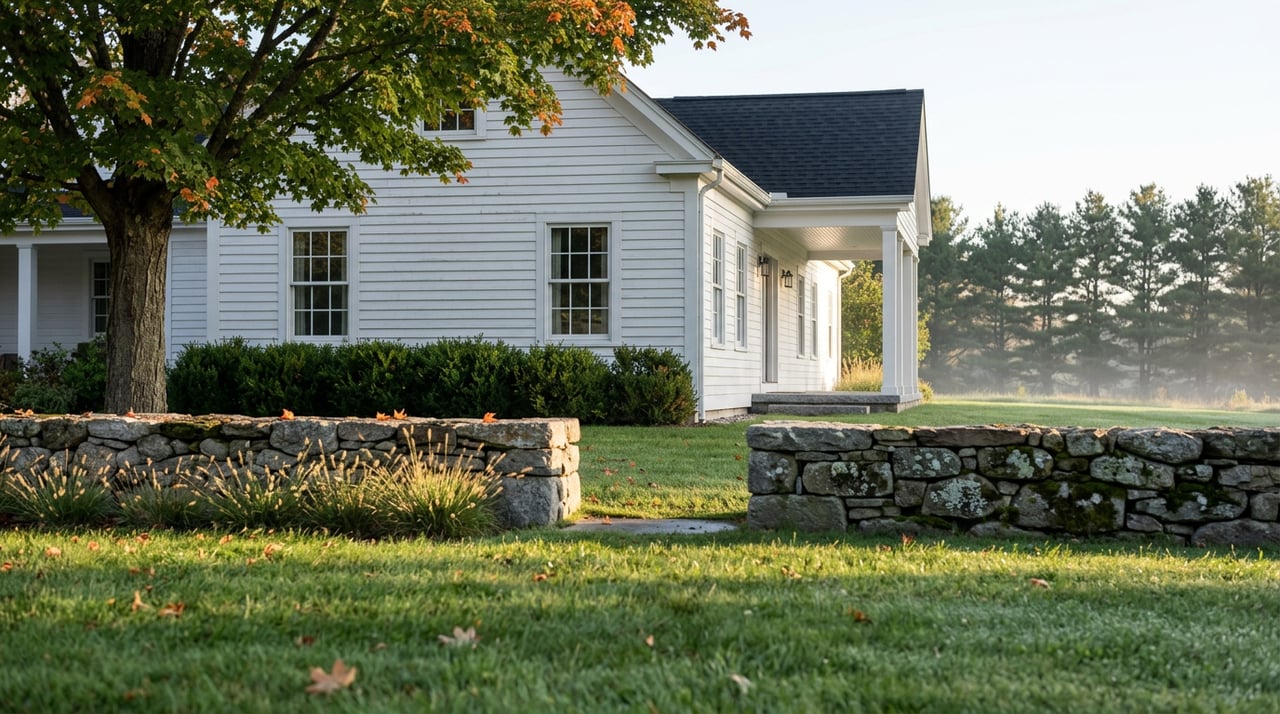
North Yarmouth is not just rural. It also carries a deep historic identity that still shows up in the built environment today. The town was chartered in 1680 and settled around 1750, and its comprehensive plan notes that more than 135 houses shown on an 1871 map are still standing.
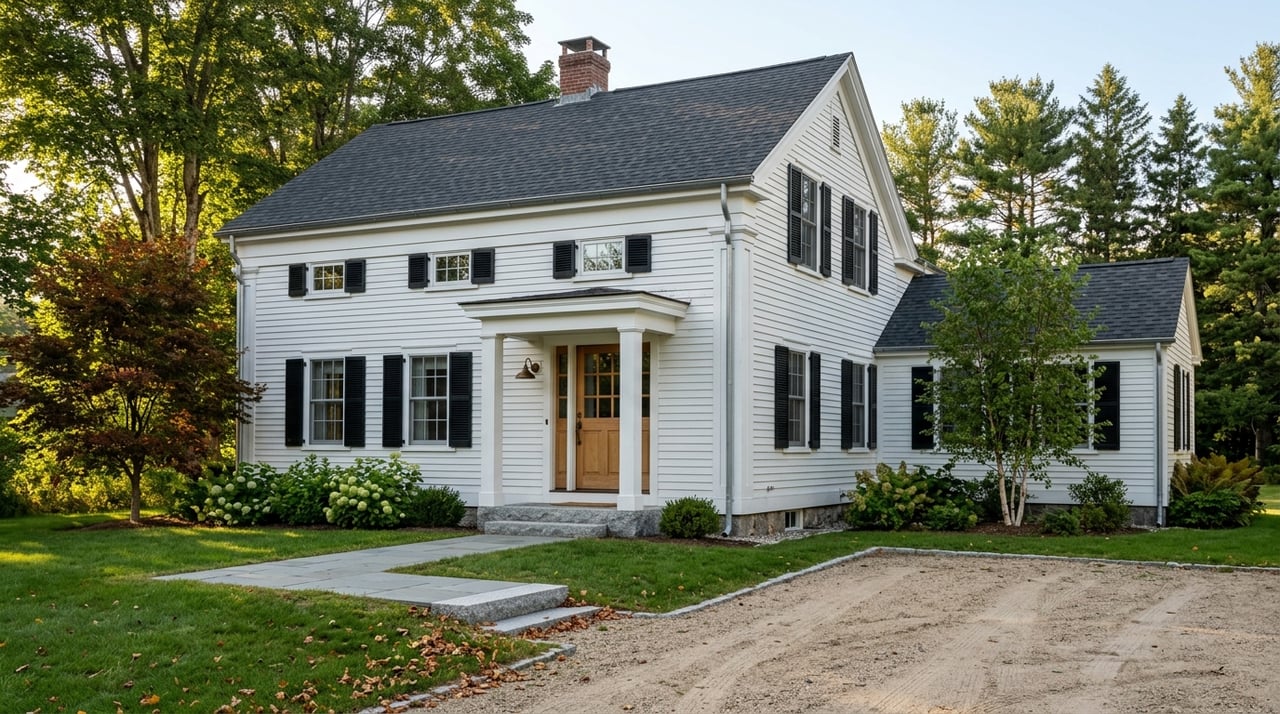
Many of those homes are in Walnut Hill, and the plan identifies the 1839 Congregational Church, the 1853 Old Town House, several early village homes, and Skyline Farm as important historic resources. In practical terms, this means parts of North Yarmouth feel distinctly older and more rooted than newer-growth communities.
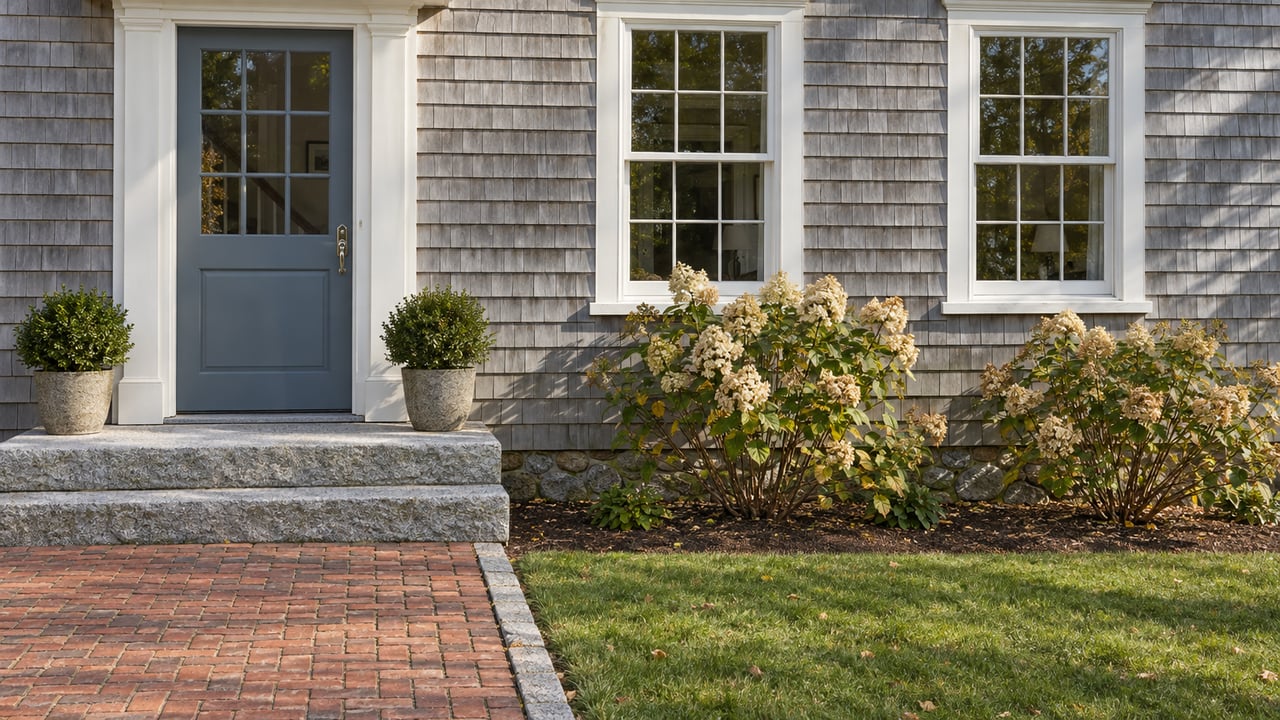
If you are drawn to classic New England surroundings, this may be part of the appeal. Older homes and historic areas can offer charm and a strong sense of place. They may also require you to be comfortable with the quirks that often come with older housing stock.
What the Housing Market Suggests
North Yarmouth appears to sit in a middle-to-upper price position within Greater Portland. Census Reporter’s ACS profile shows a median value of owner-occupied housing units of $496,500. That places it below Portland at $555,100, Cumberland at $616,800, Yarmouth at $639,700, and Falmouth at $767,500, while still well above the Maine benchmark of $296,600 shown in the same profile.
For many buyers, that positioning matters. North Yarmouth may offer an entry point into the Greater Portland area that is below some nearby higher-priced towns, but it is not a budget market. The town’s 2022-2023 annual report also notes a lack of affordable housing, which is important to keep in mind as you compare options.
The housing pattern is best understood as low-density and mostly single-family in character. That reading comes from the town’s rural land use, farm and open-space profile, village-center emphasis, and historic housing pattern. If you are hoping for a broad mix of urban-style housing choices, North Yarmouth may feel more limited.
Stability and Community Feel
One useful signal for buyers is how often people move in and out of a town. In North Yarmouth, only 8.3% of residents moved in the previous year, according to the ACS profile. That is below county and state rates in the same data set.
While no single number tells the whole story, this can suggest a relatively settled residential base. For some buyers, that adds to the appeal. A town with lower turnover often feels more established, steady, and consistent over time.
Schools and Shared Resources
North Yarmouth is served by MSAD #51. The district’s official pages list Greely High School, Greely Middle School 6-8, Greely Middle School 4-5, and Mabel I. Wilson School. The town notes that students attend schools with Cumberland as part of the district.
North Yarmouth also shares library and recreation resources with Cumberland. That matters because it helps expand the range of amenities available to residents, even though North Yarmouth itself is small in scale. For relocation buyers, shared resources can make a smaller town feel more practical day to day.
Who North Yarmouth Fits Best
North Yarmouth tends to fit buyers who want a calmer rhythm and more space around them. It can be especially appealing if you value trails, historic surroundings, and a manageable drive into Greater Portland. Buyers relocating for work or lifestyle often appreciate that balance.
It may also work well if you are looking for a home that feels tied to the land and local character. Farms, orchards, open space, and older village areas create a setting that feels different from a newer subdivision pattern. If lifestyle is a major part of your decision, that distinction can matter.
Trade-Offs to Consider Before You Move
Every town asks you to make choices, and North Yarmouth is no exception. If you want dense walkability, a broad restaurant scene, or a larger retail base, this may not be your ideal match. The town’s lower density and limited commercial base are part of its identity.
You should also think carefully about your commute tolerance. A mean commute time of 27.4 minutes may feel easy for some buyers and less convenient for others, depending on where you work and how often you need to travel. The same goes for comfort with older homes, larger lots, and a market that sits above the statewide median.
Here are a few practical questions to ask yourself:
- Do you want open space more than nearby retail convenience?
- Are you comfortable with a quieter, more rural daily rhythm?
- Would trail access and historic character improve your everyday life?
- Does your housing budget align with a market above the Maine median?
- Are you looking for mostly single-family housing rather than a wide mix of property types?
How to Decide if North Yarmouth Is Right for You
The best way to evaluate North Yarmouth is to look beyond the map and focus on fit. A town can look close to everything on paper but still feel very different once you spend time there. In North Yarmouth, the setting, pace, and housing character are a big part of the story.
If you are seeking a quieter lifestyle with outdoor access, historic texture, and reasonable reach to Greater Portland, North Yarmouth deserves a serious look. If you want a more active commercial center or a denser pattern of living, another nearby town may line up better.
A move is easier when your location supports the way you actually want to live. If you are comparing North Yarmouth with other Greater Portland communities, working with a local advisor can help you sort through pricing, property types, and lifestyle differences with more clarity.
If you are considering a move to North Yarmouth or anywhere in Greater Portland, Linda MacDonald can help you evaluate the market, narrow your options, and move forward with confidence.
FAQs
What is North Yarmouth, Maine like for daily living?
- North Yarmouth offers a quieter rural setting with local businesses, open space, trail access, and a slower pace of life than denser nearby communities.
How expensive is North Yarmouth real estate?
- The ACS 2024 5-year profile shows a median value of owner-occupied housing units of $496,500, which is above the Maine benchmark but below several nearby Greater Portland towns such as Yarmouth, Cumberland, and Falmouth.
Is North Yarmouth a good fit for commuters?
- It can be a good fit if you want a lower-density town with access to Greater Portland, and the ACS profile reports a mean commute time of 27.4 minutes.
What kinds of homes are common in North Yarmouth?
- The town is best understood as low-density and mostly single-family in character, based on its rural land use, historic housing pattern, and open-space setting.
What outdoor amenities does North Yarmouth offer?
- North Yarmouth highlights the Royal River as a recreation asset, more than 71 miles of walking and snowmobile trails, and the Sam Ristich Trails for hiking, snowshoeing, and bird watching.
What school district serves North Yarmouth, Maine?
- North Yarmouth is served by MSAD #51, and the district includes Greely High School, Greely Middle School 6-8, Greely Middle School 4-5, and Mabel I. Wilson School.