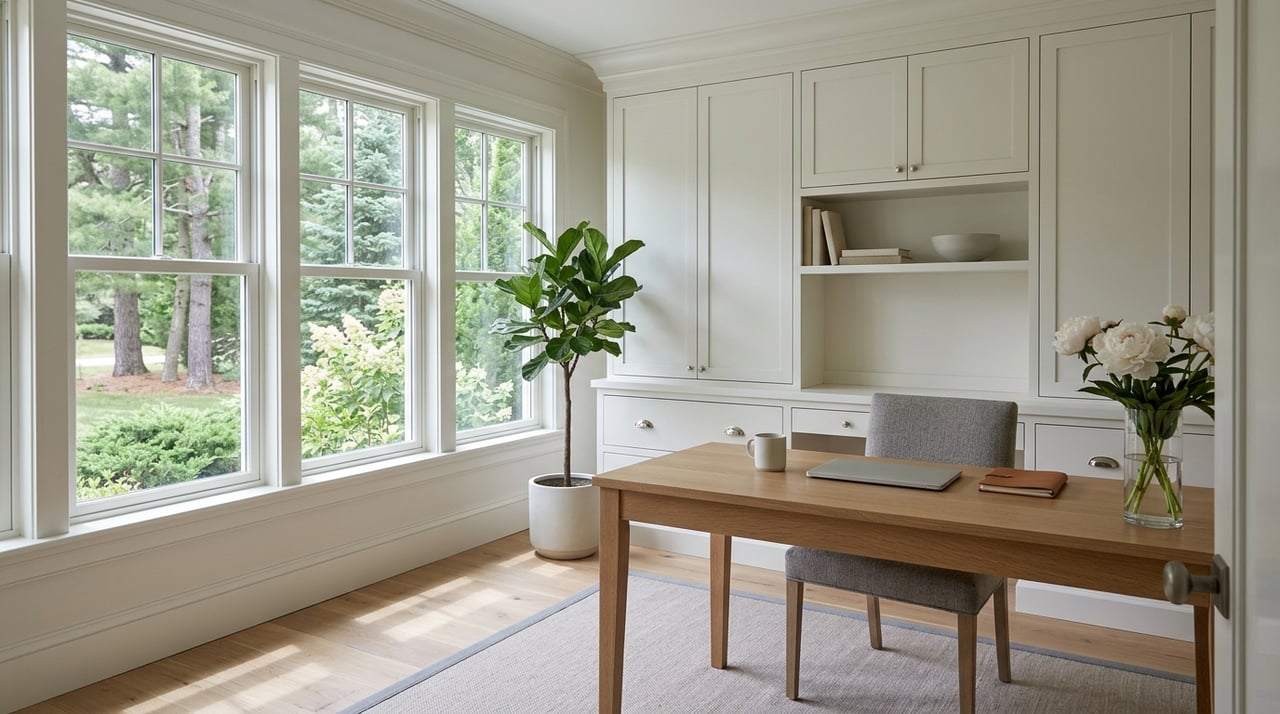
If you have ever wished your workday could end with a walk by Casco Bay instead of another long drive, Freeport may be worth a closer look. For many buyers, the challenge is finding a place that supports focused remote work without giving up convenience, outdoor access, or everyday amenities. Freeport offers a compelling mix of coastal setting, regional connections, and evolving housing options that can make that balance feel more realistic. Let’s dive in.
Why Freeport Works for Remote Life
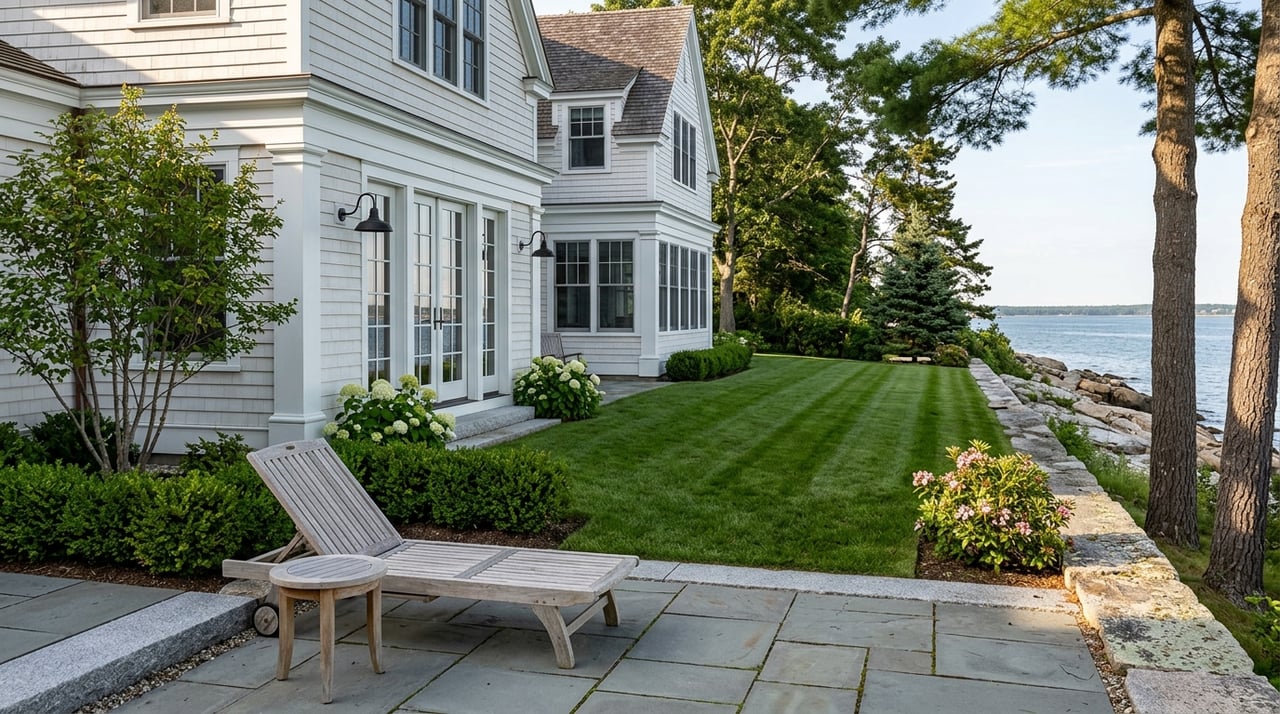
Freeport offers a small-town coastal setting with practical features that matter when you work from home. The town describes itself as about 20 minutes from Portland, with 37 miles of tidal coastline and a village area filled with shops, restaurants, events, and historic points of interest.
That combination gives you more than scenic appeal. It creates a place where you can handle your workweek, step out for errands or a meal, and still feel connected to the coast in your everyday routine.
Recent Census Bureau QuickFacts add useful context for relocation planning. Freeport has an estimated 2025 population of 8,877, a broadband subscription rate of 96.5% of households, and a mean travel time to work of 23.6 minutes.
Those numbers suggest that Freeport is not just a vacation stop. It is a lived-in community where many households are set up for modern connectivity and regional access.
Freeport’s Planning Supports Daily Living
One of the most encouraging signs for relocating buyers is how Freeport is planning for growth. The town’s 2025 Comprehensive Plan says future growth should be concentrated in the Downtown Village and along parts of Route 1, with homes, businesses, and public spaces that support living, working, and aging in place.
For you, that matters because it points to a more intentional pattern of development. Instead of scattered expansion, the focus is on creating areas where daily life can feel more connected and convenient.
Downtown and Route 1 Matter
Freeport’s Village Corridor Initiative, created in partnership with MaineDOT, is aimed at walking, biking, transit, economic opportunity, and new housing. The town also says 138 multifamily housing units are currently under development in the primary growth area downtown and along Route 1.
That tells you Freeport is actively trying to add housing in the places where services and mobility are strongest. If you want easier access to the village, transit options, or a more low-maintenance property type, those areas may be especially relevant.
Getting Around from Freeport
Remote work does not always mean staying home every day. You may still need to reach Portland, travel to Boston occasionally, or build a hybrid schedule around meetings and client visits. Freeport stands out because it offers several regional access points that are stronger than what you will find in many small coastal towns.
The town highlights convenient access via I-295 and U.S. Route 1, along with Amtrak Downeaster service to Boston. Metro BREEZ also provides express bus service between Portland, Yarmouth, Freeport, and Brunswick, with 17 round trips Monday through Friday and 6 round trips on Saturdays.
Rail and Bus Options Add Flexibility
The Amtrak station in Freeport is unstaffed, but it includes an accessible platform, restrooms, and same-day and overnight parking. One detail worth knowing is that the station does not offer WiFi, so it is better treated as a transit tool than a mobile office.
Even so, the Portland-to-Brunswick corridor and direct service toward Boston North Station can be helpful if you want alternatives to driving. For some buyers, that extra flexibility is part of what makes Freeport feel practical instead of remote.
What to Know About Home Office Potential
If you are relocating for a work-from-anywhere lifestyle, the house itself matters just as much as the town. Freeport’s housing patterns suggest several possible fits, depending on how you want to live and work.
Census Bureau QuickFacts report a median value of owner-occupied housing units of $508,400 and a median gross rent of $1,439. That points to a relatively premium coastal housing market for a town of Freeport’s size.
Flexible Space Is Worth Prioritizing
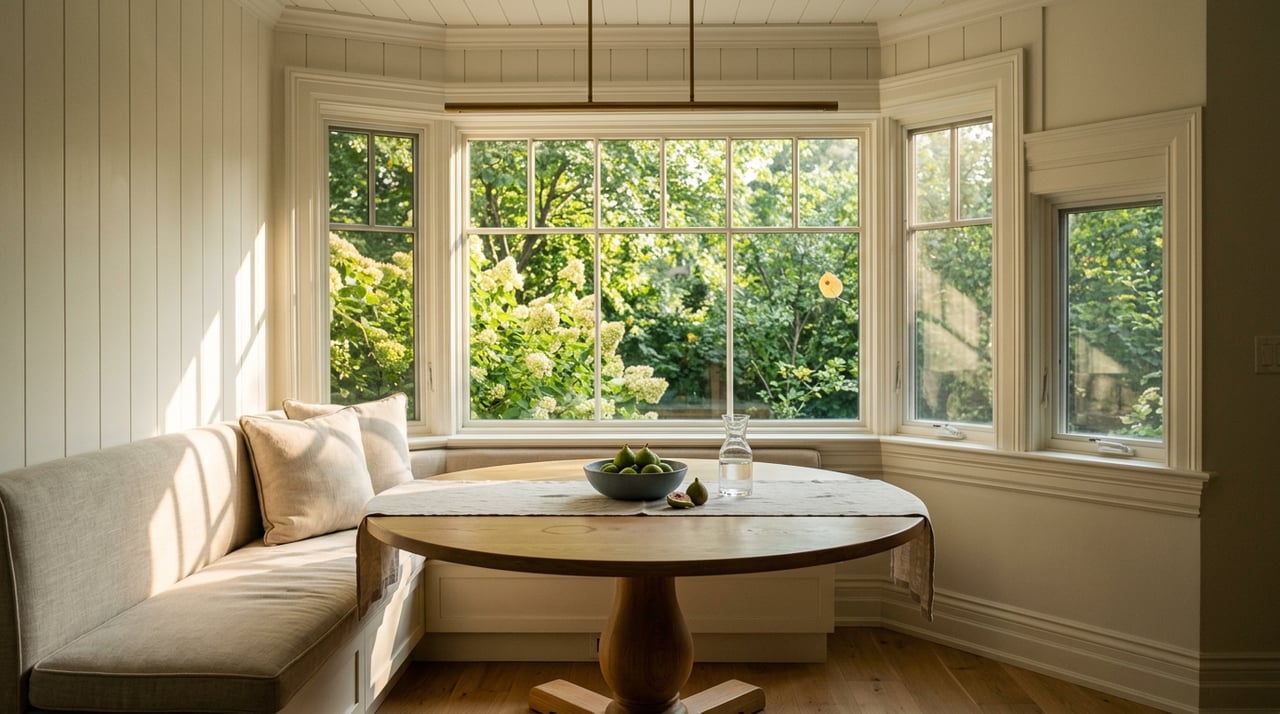
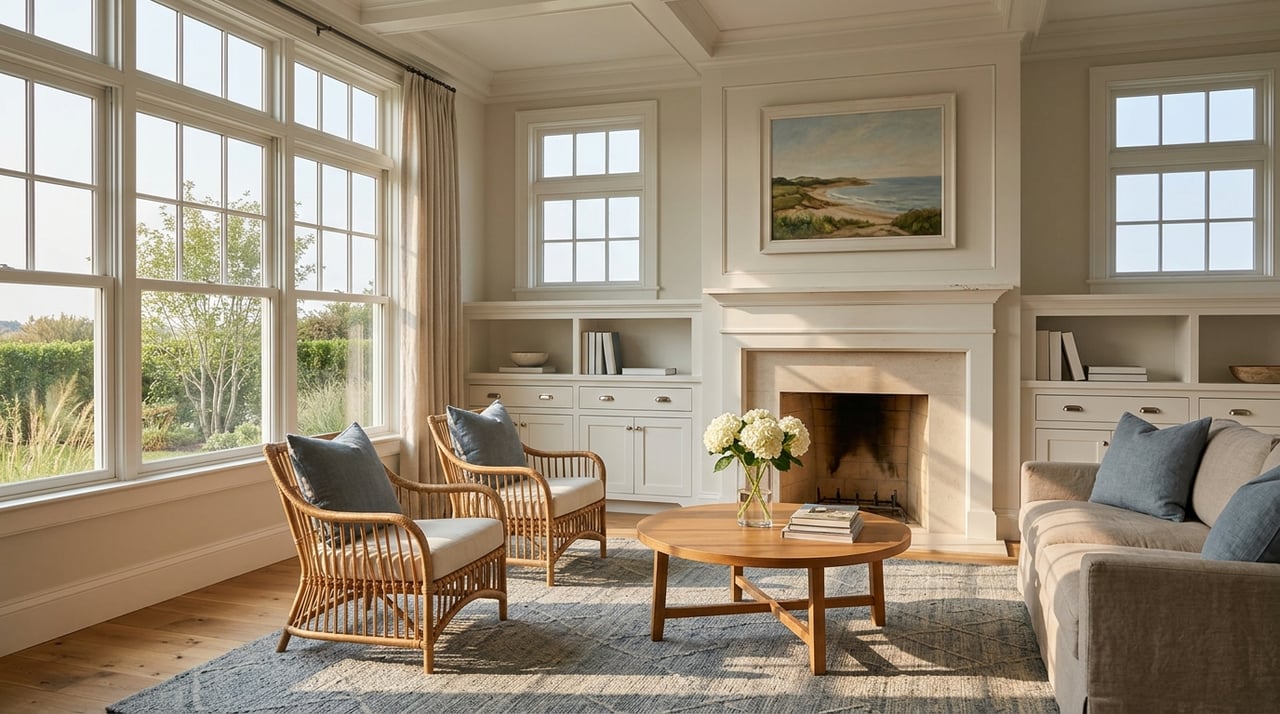
Buyers who work from home often want more than an extra bedroom. You may be looking for a true office, a studio, a quiet guest area, or separate space for visiting family while keeping your work life intact.
Freeport’s zoning ordinance allows accessory apartments in single-family dwellings. Depending on the property, that can create useful flexibility for a separate office, studio, or guest suite within a home.
The town’s zoning also allows different dwelling-unit levels in some districts, with higher limits inside designated growth areas than outside them. That reinforces the broader planning shift toward modest infill and mixed housing options in key parts of town.
Multifamily and Other Evolving Options
Freeport’s housing conversation is active right now. In addition to the multifamily units under development, the Freeport Housing Trust has created 224 long-term restricted housing units, owns 183 units, and is developing a new 42-unit building on Varney Road.
For relocation buyers, the takeaway is simple. Freeport is not standing still. The town is trying to add housing choices, which may create more options for buyers who want either a single-family home with flexible space or a lower-maintenance home closer to the village corridor.
Coastal Play Is Part of Everyday Life
A lot of places claim a lifestyle. Freeport backs it up with real access to water, trails, and year-round outdoor spaces.
The town says its coastline includes rocky shorelines, clam flats, riverine and estuarine ecosystems, and numerous inhabited islands. It also notes that the Harraseeket River is one of the more protected anchorages in Casco Bay.
That means the coastal setting is not just visual. It shapes how people spend their free time, from boating and kayaking to shoreline walks and quick after-work outings.
Winslow Park and Water Access
Winslow Memorial Park is one of Freeport’s standout outdoor amenities. The town says it offers wooded trails with harbor and Casco Bay views, a tidal beach, picnic areas, a boat launch for trailered boats and hand-launched craft, and a summer concert series. It is also open every day of the year.
The town also maintains a list of public water-access points, including Dunning Boat Yard and Porter’s Landing, Cove Road, Town Dock, Winslow Park Boat Ramp, Mill Stream Boat Launch, Sandy Beach, Little River, and Old County Road. Some of these locations have tidal restrictions or limited parking, which is important to know if boating or paddling is part of your routine.
Trails and Four-Season Recreation
Wolfe’s Neck Woods State Park is about a five-minute drive from the shopping district, according to the town, and includes more than 200 acres of forest, a salt marsh estuary, and rocky shoreline on Casco Bay and the Harraseeket River.
The Freeport Conservation Trust manages more than 750 acres and 30 miles of trails in town. That includes the 8.5-mile East Freeport Trail Network, the 4-mile South Freeport Trails system, and Florida Lake Park, which spans nearly 200 acres and 3.75 miles of trails, with birding and winter ice-skating opportunities.
In practical terms, Freeport supports a four-season outdoor rhythm. Walking, hiking, kayaking, boating, camping, biking, birding, and winter recreation can all fit naturally around your work schedule.
Balancing Work and Lifestyle in Freeport
The best reason to consider Freeport may be the way its pieces work together. You have a coastal town with strong broadband adoption, direct regional road access, rail and express-bus connections, and active local planning around housing and walkability.
At the same time, you have easy access to Casco Bay, trail systems, and public outdoor spaces that can turn a lunch break, early morning, or post-work hour into something restorative. That balance is what many relocating buyers are really searching for.
Freeport may be especially appealing if you want:
- A coastal setting without giving up access to Portland
- A home base that supports remote or hybrid work
- Housing options that may include flexible secondary space
- Outdoor access that feels woven into daily life
- A town planning for growth in a more connected, village-oriented way
How to Evaluate Freeport Before You Move
If Freeport is on your shortlist, it helps to look beyond the postcard version of town. Your day-to-day experience will depend on the specific property, location, and how well the home supports your work habits.
A smart relocation search may include:
- Checking broadband availability at the address level, as Maine’s Office of Public Advocate advises
- Comparing village-area homes with properties farther out based on commute, walkability, and access needs
- Reviewing whether a home has space for a dedicated office or flexible secondary area
- Considering how often you expect to use bus, rail, or road connections
- Asking practical questions about water access, tides, and parking if boating or kayaking is important to you
The right fit often comes down to how you want your week to feel, not just what you want your weekends to look like.
If you are exploring a move to Freeport and want local insight into the town’s housing options, coastal lifestyle, and how different areas may support your routine, Linda MacDonald can help you navigate the search with clear, thoughtful guidance.
FAQs
Is Freeport, Maine good for remote workers?
- Freeport can be a strong option for remote workers because it combines a 96.5% household broadband subscription rate, access to Portland, and rail and express-bus connections with a coastal setting and year-round outdoor amenities.
What is the commute from Freeport to Portland like?
- The town describes Freeport as about 20 minutes from Portland, and Census Bureau QuickFacts report a mean travel time to work of 23.6 minutes.
Are there transit options in Freeport, Maine?
- Yes. Freeport has Amtrak Downeaster service and Metro BREEZ express bus service connecting Portland, Yarmouth, Freeport, and Brunswick.
What kinds of homes support a home office in Freeport?
- Buyers may find single-family homes with dedicated office space, properties with accessory apartments allowed by zoning, and multifamily options near downtown and Route 1 where new development is underway.
What outdoor activities are available in Freeport year-round?
- Freeport offers boating, kayaking, walking, hiking, camping, biking, birding, shoreline access, and some winter recreation, with amenities such as Winslow Memorial Park, Wolfe’s Neck Woods State Park, and local trail networks.
What should buyers check before relocating to Freeport?
- Buyers should confirm broadband service at the property address, compare access to downtown and transit, and review practical details such as tidal restrictions and parking at water-access points if coastal recreation is a priority.