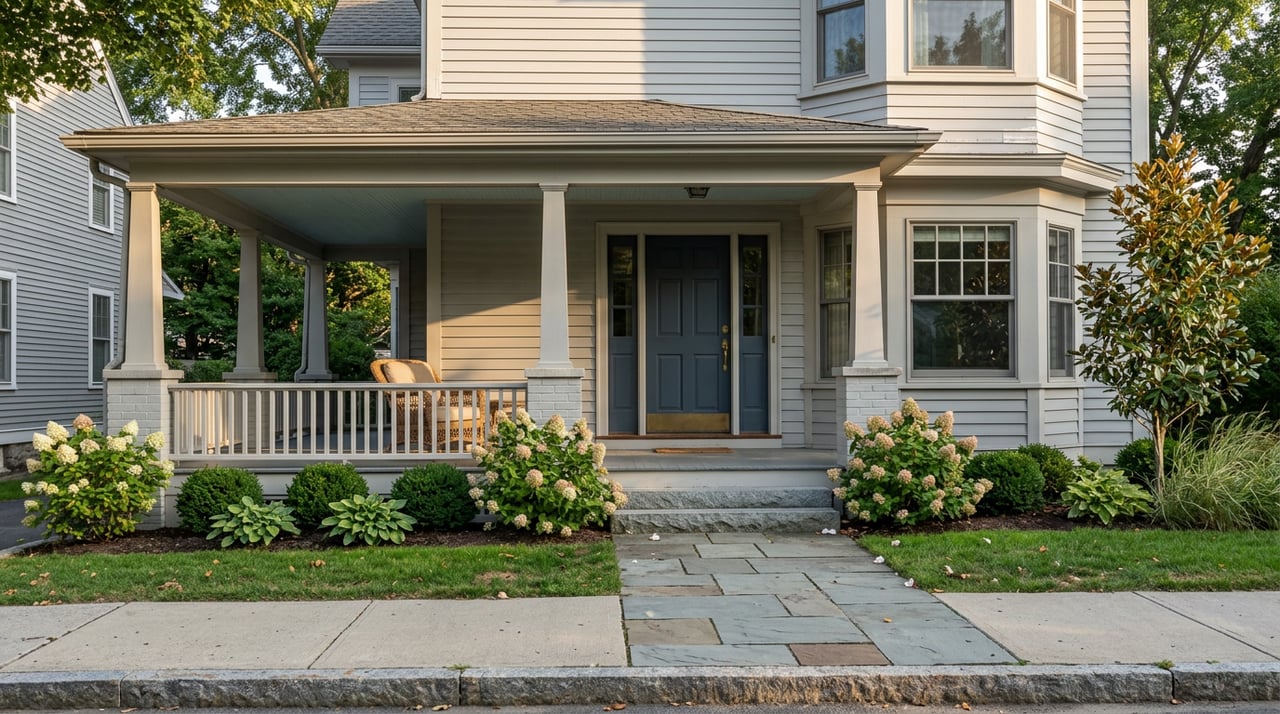
If you have been dreaming about a second home on the southern Maine coast, the Kennebunks likely keep rising to the top of your list. That makes sense. This area offers a rare mix of beach days, village charm, and year-round coastal living, but buying here also comes with a different set of financial and practical questions than a typical vacation market. In this guide, you will learn what to weigh before you buy, from location choices and rental rules to taxes, maintenance, and flood exposure. Let’s dive in.
Why the Kennebunks draw second-home buyers
The Kennebunks appeal to buyers who want a true coastal lifestyle with options. Kennebunk is the larger, more year-round community, with an estimated population of 12,028 in July 2025 and an owner-occupied housing rate of 80.6%. The Census Bureau also reports a median owner-occupied home value of $487,700 in Kennebunk.
Kennebunkport offers a different feel. Its FY2025 Annual Comprehensive Financial Report describes it as a residential coastal community with a seasonal, tourism-based economy that peaks in summer, and a year-round population of 3,696. For many second-home buyers, that creates a clear choice between a more year-round rhythm in Kennebunk and a more resort-oriented experience in Kennebunkport.
Pricing reflects that split. Recent market snapshots place Kennebunk around a $485,000 median sale price, close to York County at about $481,000 but above Maine at roughly $390,000. Kennebunkport sits much higher at around $1.1 million, which reinforces its position as a premium resort-style coastal market.
Understand the area’s seasonality
Seasonality shapes how homes are used in the Kennebunks, and that matters when you buy a second property. Kennebunk’s comprehensive plan says seasonal or recreational units made up 13.8% of the housing stock, up from 12.5% in 2000. The same plan notes that short-term rentals have become a major factor in the market.
Kennebunkport’s 2022 comprehensive plan shows how strong that pattern is there. It says seasonal rentals contribute to the shortage of year-round housing, roughly half of residences have mailing addresses outside town, and the summer population can rise to about 12,000. In other words, the pace, traffic, and use of the area can feel very different in July than in January.
For you, that means your ideal second home should match how often and when you plan to use it. A home that feels perfect for summer weekends may work very differently if you want holiday stays, remote work weeks, or longer shoulder-season visits.
Compare Kennebunk and Kennebunkport
Kennebunk for more year-round use
Kennebunk often suits buyers who want flexibility beyond peak summer. It has a larger local population, more year-round housing patterns, and a mix of in-town, beach-area, and riverfront options. If you want a second home that can support frequent use in more than one season, Kennebunk may offer a broader range of choices.
Kennebunkport for a resort feel
Kennebunkport tends to attract buyers seeking a more distinctly seasonal coastal setting. Its tourism-based economy and smaller year-round population shape a different ownership experience, especially during the summer peak. If your vision centers on a classic resort-town atmosphere, Kennebunkport may feel like the stronger fit.
Choose the right setting
Where you buy in the Kennebunks will shape your day-to-day experience as much as the house itself. Beach access, village convenience, and waterfront character each come with tradeoffs. The right answer depends on how you want to spend your time, what upkeep you can manage, and whether rental use is part of the plan.
Beachfront and beach area homes
Kennebunk’s beach corridor is the clearest lifestyle choice for buyers who picture summer mornings near the water. The town says its beaches include Gooch’s Beach, Middle Beach, Mother’s Beach, and part of Parsons Beach. These areas run along Beach Avenue, connect by sidewalks, and require beach parking passes.
The town also notes that lifeguards are on duty at Gooch’s and Mother’s Beach from mid-June through early September, and dogs are seasonally restricted. For you, this kind of location can mean strong summer use, walkability, and a classic coastal routine. It can also mean more visitors, tighter parking, and busier logistics during peak season.
Village and in-town homes
An in-town property can offer more convenience outside the busiest beach months. Kennebunk’s comprehensive plan notes that condo and duplex complexes near shopping and town services tend to be convenient, and many include snow plowing, lawn care, and exterior repairs. That can be especially appealing if you want a lower-maintenance second home.
The same plan also notes that Kennebunk has 1,037 homes built before 1939. Older homes may offer character, but they can also come with issues like mold, rot, outdated electrical systems, plumbing problems, and leaking roofs. If you are considering a historic or older property, your renovation budget and inspection process matter just as much as the listing price.
Riverfront and harbor properties
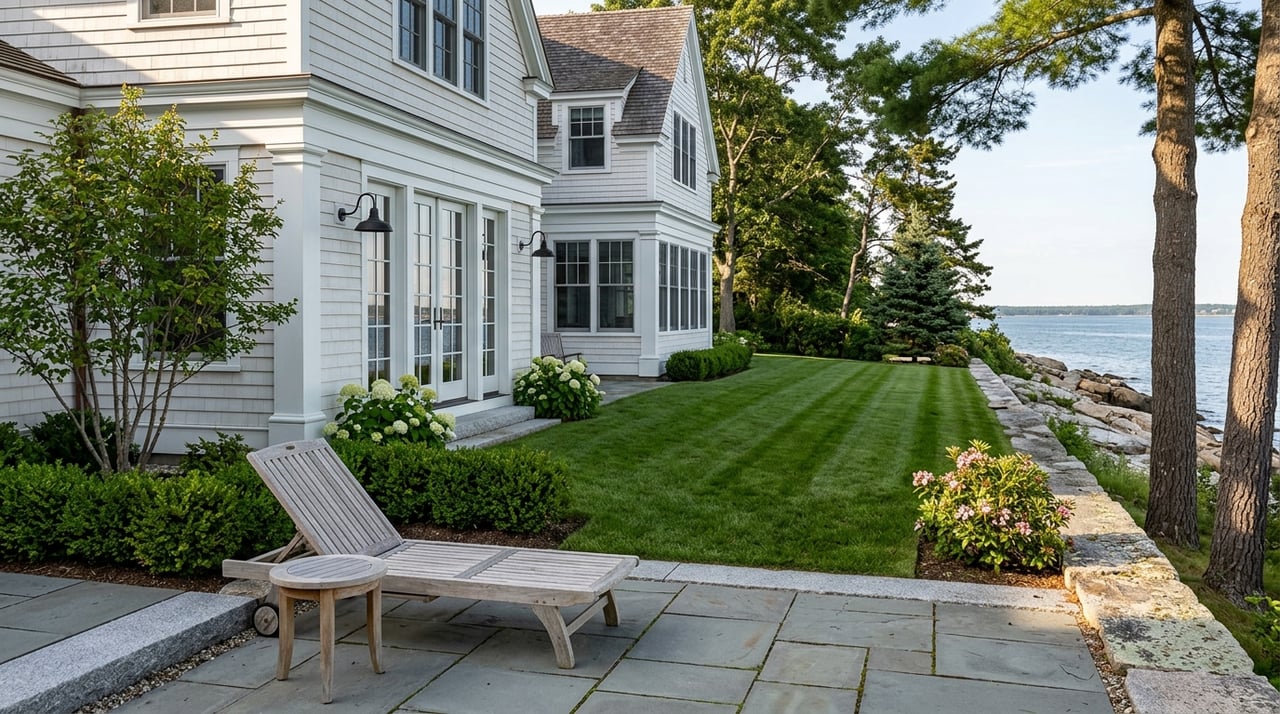
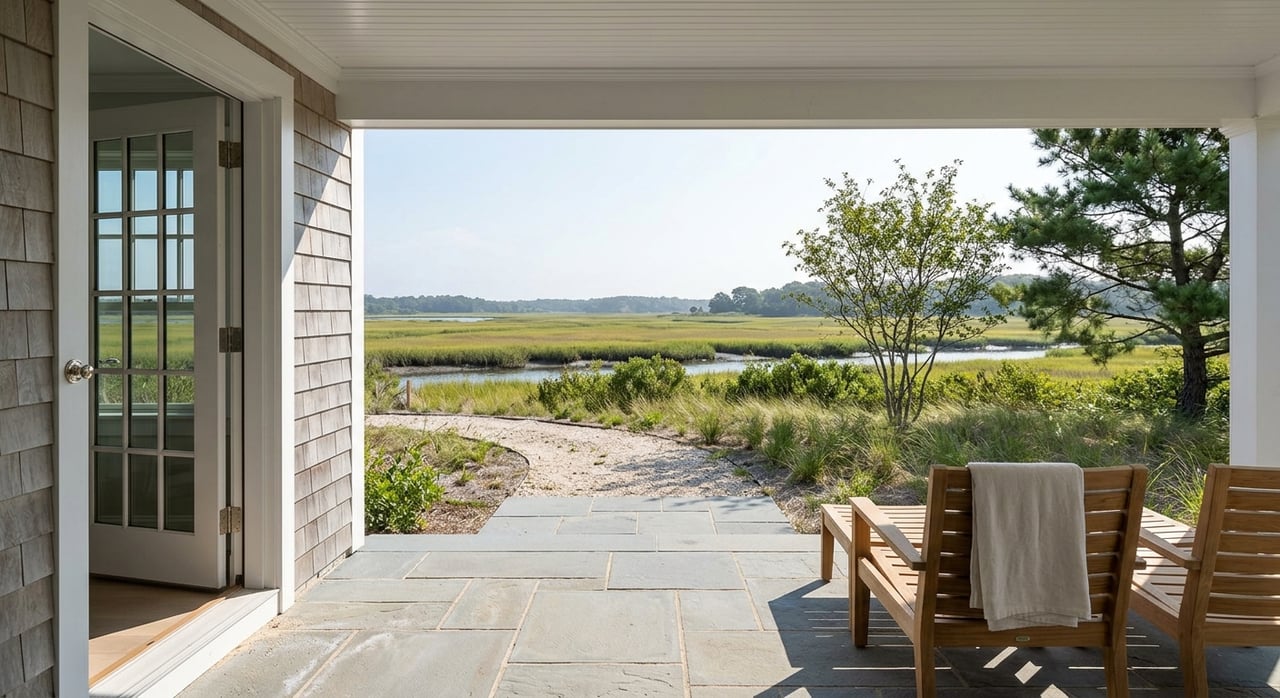
Riverfront and harbor-area homes can offer a quieter or more distinctive setting. Kennebunk’s plan says the most expensive houses are often on or near the ocean or one of the rivers. In Kennebunkport, local planning documents highlight ongoing work related to waterfront preservation, public access, and flooding in areas tied to the river and shoreline.
These properties can be compelling, but they may also require closer review of resilience, access, and site conditions. In Kennebunkport, the 2022 comprehensive plan identifies low-lying areas such as Goosefare Bay, Smith Brook, Goose Rocks Creek, and Sandy Cove Road, while noting that Ocean Avenue in Cape Arundel sits around 30 feet above sea level and Goose Rocks Beach and nearby neighborhoods are somewhat higher, up to about 18 feet in some places.
Check rental rules before you assume income
If you hope to offset ownership costs with short-term rental income, local rules need to be part of your decision from the start. In Kennebunk, the town defines short-term rentals as any dwelling unit rented for less than 15 days. Effective January 1, 2025, owners must register the unit with the Town Clerk.
The town also says registered units must be inspected by Kennebunk Fire Rescue. Listed fees are $250 for new applications and $150 for renewals. That means a potential rental property should be evaluated not only for appeal, but also for compliance, operating costs, and whether the layout works for guest parking and safety requirements.
Kennebunkport also signals that rental use is closely regulated. Its short-term rental inspection checklist references an STR license, parking sufficiency, egress, smoke alarms, and fire extinguishers. The practical takeaway is simple: rental potential should be verified town by town and property by property, not assumed.
Budget beyond the purchase price
A second home budget in the Kennebunks should include more than your offer number and monthly mortgage payment. Maine Revenue Services says the homestead exemption applies only to a primary residence, so camps, vacation homes, and second residences do not qualify. If you are used to primary-home tax benefits, this is an important adjustment.
Maine also collects a real estate transfer tax of $2.20 for each $500 of value, split between seller and buyer. For transfers on or after November 1, 2025, an additional tax applies to value above $1 million. In a higher-priced coastal market, that can become a meaningful closing-cost line item.
Local property taxes are another key part of the equation. Kennebunk lists its 2025 to 2026 tax rate at $9.85 per $1,000 of valuation, while Kennebunkport’s FY2025 Annual Comprehensive Financial Report reports a tax rate of $6.50 per $1,000. Still, the more useful number for your budget is the actual annual tax bill on the property you are considering, since assessed values vary widely.
Plan for maintenance like an owner, not a visitor
Second-home buyers often focus on views, location, and layout first. In a coastal market, ongoing maintenance deserves equal attention. Kennebunk’s housing plan specifically flags mold, rot, outdated electrical systems, plumbing issues, and leaking roofs as common concerns in older homes.
That matters even more when you are not living in the home full time. A minor issue can become a larger one if it goes unnoticed for weeks. Before you buy, think through how the property will be checked, maintained, and winterized when you are away.
Properties with shared maintenance can be attractive for this reason. Condos and some duplex-style communities near town services may offer snow plowing, lawn care, and exterior repairs, according to Kennebunk’s comprehensive plan. If ease of ownership is a priority, that tradeoff may be worth serious consideration.
Take flood exposure seriously
Flood risk should be reviewed as carefully as square footage or finishes. Maine Emergency Management Agency says flooding is the state’s most costly natural hazard. It also notes that homeowners insurance does not cover flood damage, new flood insurance policies take 30 days to become effective, and flood insurance may be required if a home is in a high-risk zone with a federally backed mortgage.
The Maine Geological Survey adds that its sea-level-rise and storm-surge mapping uses scenarios from 1.2 to 10.9 feet. MEMA also notes that FEMA flood maps do not capture time-evolving sea-level rise, and Maine climate planning guidance recommends preparing for 1.5 feet of sea-level rise by 2050 and 4 feet by 2100.
For you, this means flood due diligence should go beyond asking whether a property has ever flooded. You will want to understand location, elevation, insurance implications, and how future conditions could affect ownership costs over time.
Questions to ask before you buy
A smart second-home purchase in the Kennebunks starts with clear due diligence. As you narrow your options, keep these questions front and center:
- Is the property in or near a flood-prone area?
- If you plan to rent it, does the town require STR registration or licensing?
- Is there enough parking for your household or future guests?
- What will the annual carrying cost look like once you include property taxes, transfer tax, possible flood insurance, and maintenance?
- If the home is older, what systems or repairs may need attention soon?
- Do you want a high-summer beach experience, a more flexible in-town home, or a quieter river or harbor setting?
The best second home is not always the one with the strongest first impression. It is the one that fits your lifestyle, budget, and comfort level with ownership over time.
Buying in the Kennebunks can be incredibly rewarding when you go in with a clear plan. Whether you are drawn to a beach-area retreat, a polished in-town condo, or a distinctive waterfront property, careful guidance can help you match the home to the way you actually want to live. If you are exploring second-home opportunities on the southern Maine coast, connect with Linda MacDonald for thoughtful, local guidance tailored to your goals.
FAQs
What should you consider before buying a second home in Kennebunk?
- You should look closely at seasonality, location, local property taxes, maintenance needs, flood exposure, and whether the home fits your planned use throughout the year.
What is the difference between Kennebunk and Kennebunkport for second-home buyers?
- Kennebunk is generally the more year-round market, while Kennebunkport has a smaller year-round population and a more seasonal, resort-oriented character.
Can you use a second home in Kennebunk as a short-term rental?
- Possibly, but you should confirm the current rules first. Kennebunk requires registration for short-term rentals and inspection by Kennebunk Fire Rescue, with fees for new applications and renewals.
Do second homes in Maine qualify for the homestead exemption?
- No. Maine Revenue Services says the homestead exemption applies only to a primary residence, not to vacation homes or second residences.
Why does flood risk matter when buying in the Kennebunks?
- Flooding is Maine’s most costly natural hazard, standard homeowners insurance does not cover flood damage, and flood insurance may be required or become an important part of your carrying costs depending on the property.
Are older homes in Kennebunk a risk for second-home buyers?
- Older homes can offer charm and strong locations, but local planning documents note possible issues such as mold, rot, outdated electrical systems, plumbing problems, and roof leaks, so inspections and repair budgeting are important.